
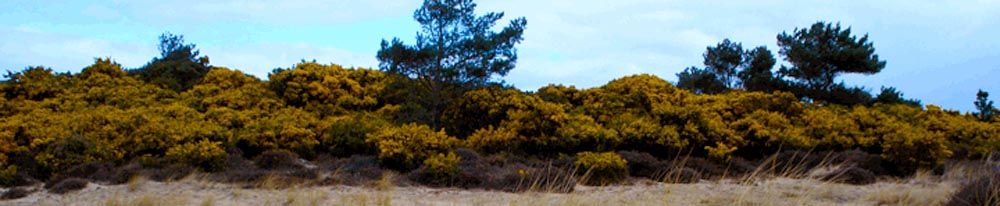
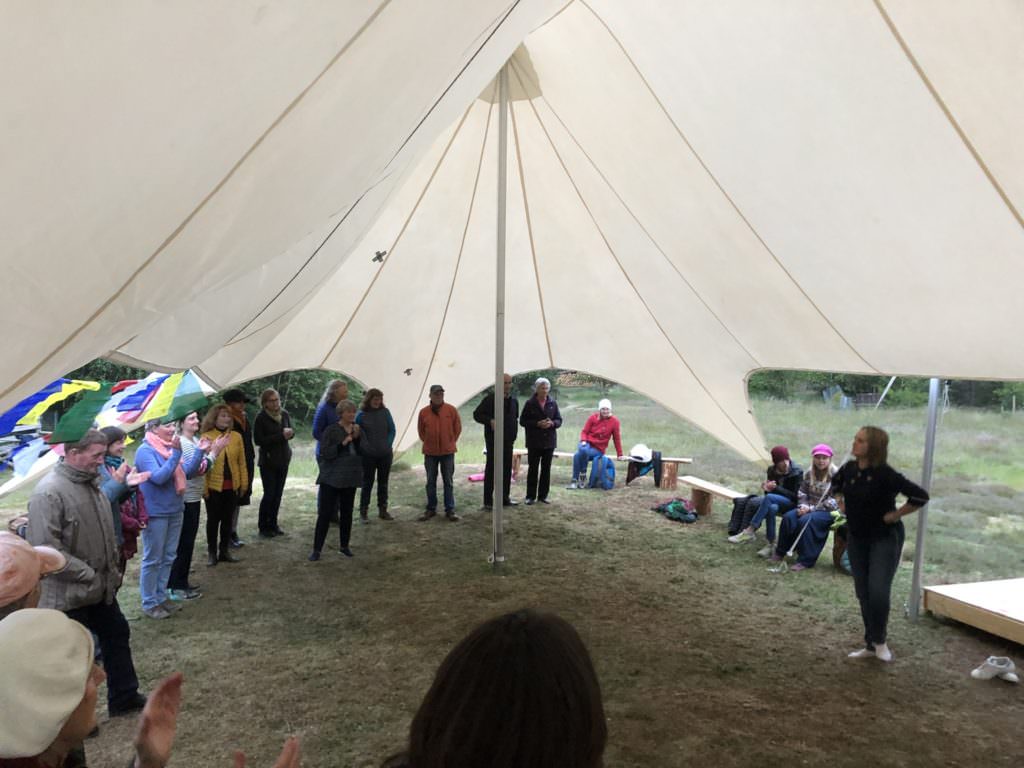
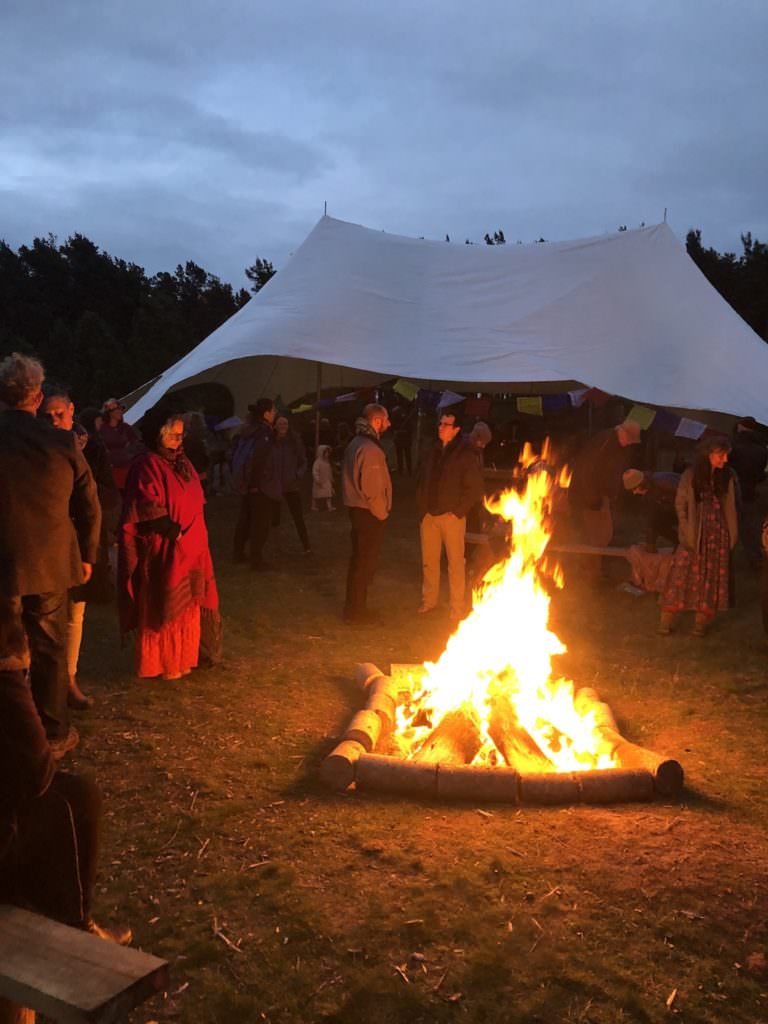
So many people have come up to me to say how much they enjoyed this event that took place in the Green Burial space in Wilkies Wood on the 18th of June. For some it was the ceilidh dancing under the marquee, which was the first bigger event like this for over two years. For others it was listening to the Scottish music and the other contributions of music and dance that took place throughout the evening. For yet others it was simply to be there to enjoy some food and drink and be sociable with each other in this beautiful outdoor setting. Most of all, many liked simply to be able to gather again, play, relax and have fun together. These things are essential in a happy, smoothly functioning community.
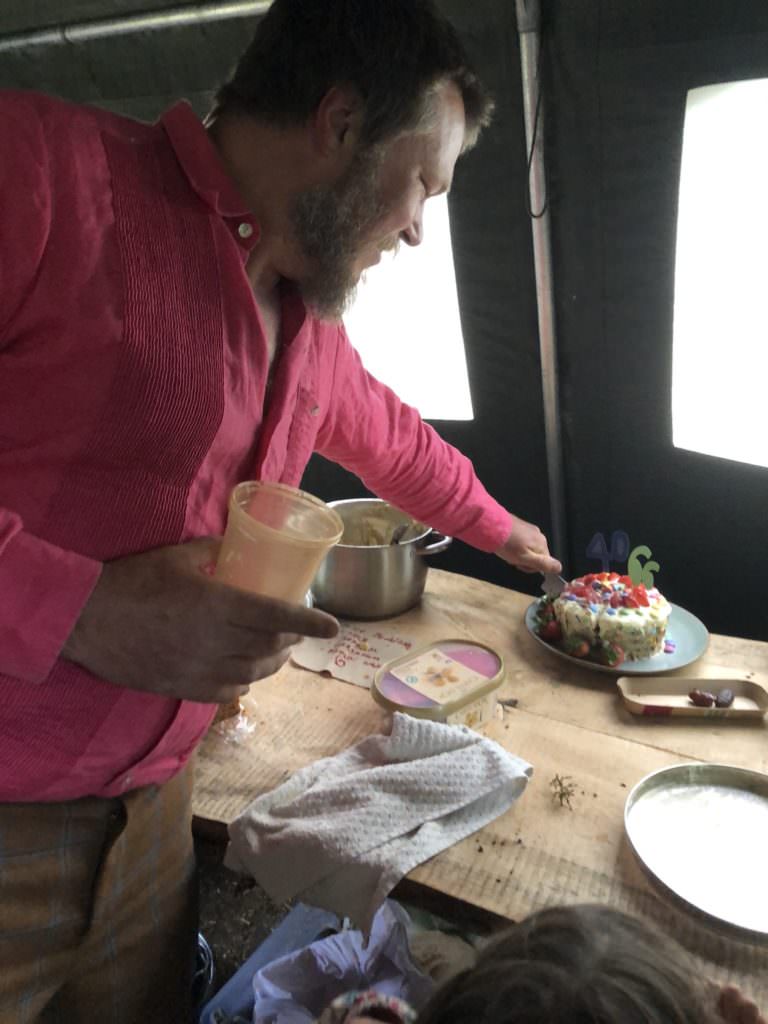
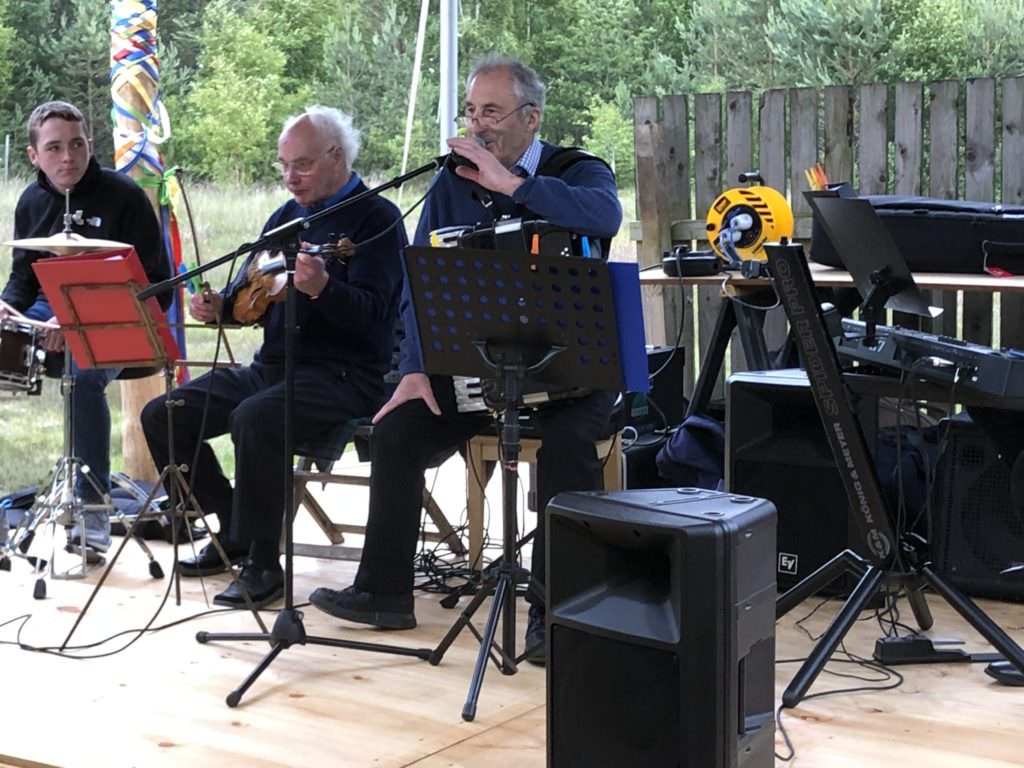
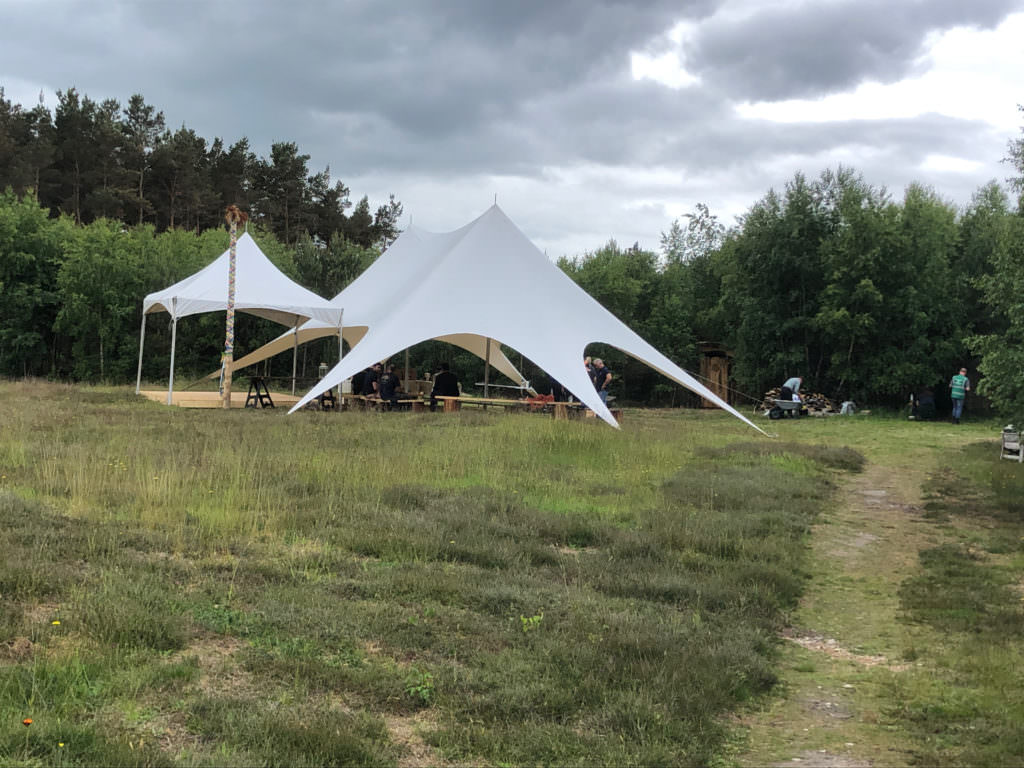
Thanks are due to the many that made this evening possible. First of all let’s thank the Weather Gods – the forecast was for winds over 40 miles/ hour and rain later but the evening turned out cool but tolerable. Next, a huge thank you to Chris Stepien and his four piece band that came from far and wide and played great music despite their hands freezing in the wind – next time woolly hats and gloves would be in order for a mid-summer event in Scotland! Also thanks to all the other contributors of music and song; David Hammond, Carolin, Paddy, Steve Jewels, Hugh Andrews and… To Mohini who did a great job putting together strawberry shortcake for the 150 or so people who were there. To the crew who erected the tents and particularly Katherina and Hans who helped put together the band staging lent by Jason Caddy. Then there was George Paul who helped put up the fencing windbreak around the staging to keep the wind off the musicians, Kajedo our Land Manager who mowed the grass and heather plus clipped back tiny gorse plants with his secateurs to make a dance surface and started the fire on the day, Brian Johnstone who lent us his generator to power the music, Christine Lines and Will Russell who where there till 2am to help tidy up after the event, everyone for contributing some food and drink and … There are many more too who I will have missed. What I am trying to say is that it takes a whole community to put on a community event and I want to bless and recognise that sense of community that we have and consciously celebrate it.
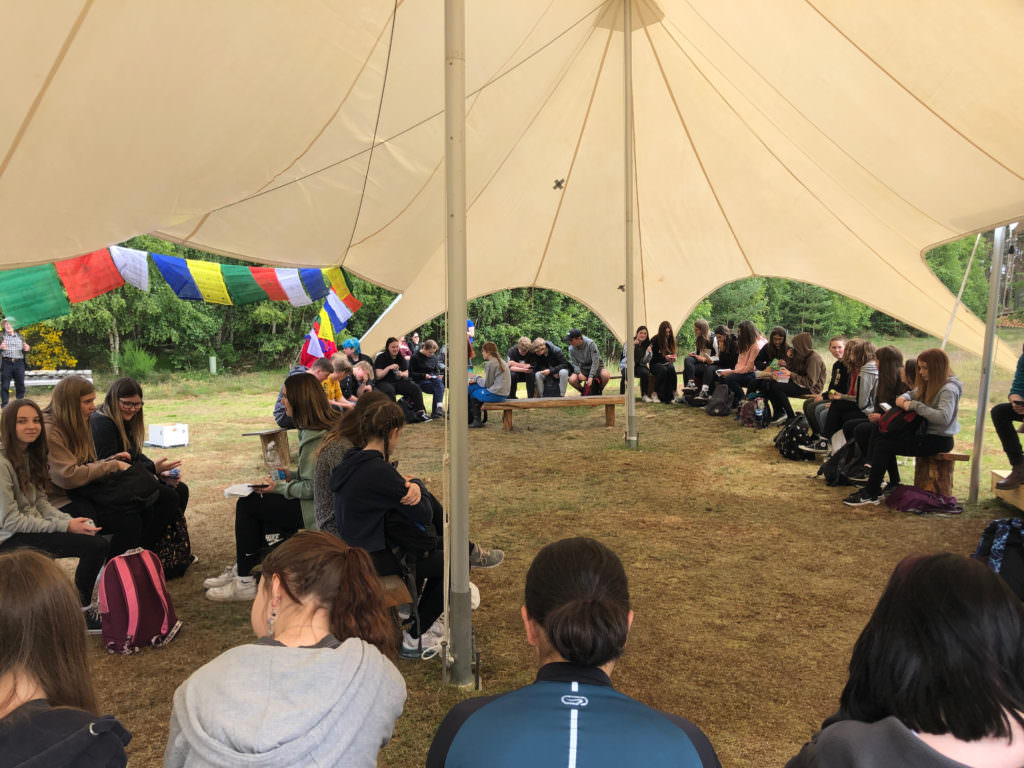
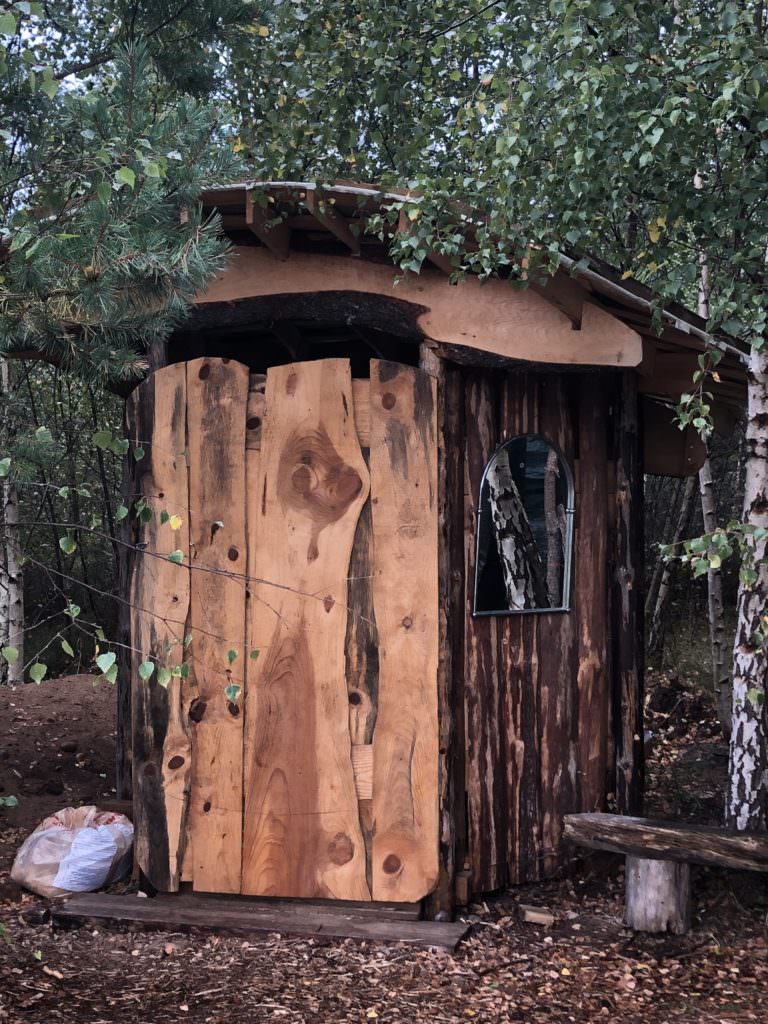
I think it is also important to acknowledge that we have certain structures and organisations within our community that help build that important feeling of doing things together. In particular there is the Phoenix Community Shop, which is a Community Interest Company. A number of years ago it bought the marquees and tables we were using to promote community events as part of using profits to plough back into community development. Then there is the Findhorn Hinterland Trust itself that has built up the facilities over the years to help with one of its purposes which is building a sense of local community – the open space in the middle of the woods which is the green burial ground, the beautiful gathering space that is the Woodland Shelter and now two compost loos.
We have so much. This is a time to recognise this, give thanks and hopefully find future ways we can come together, play and enjoy each other.
Blessings,
Jonathan Caddy
FHT Chair











The Woodland Garden in a Nutshell
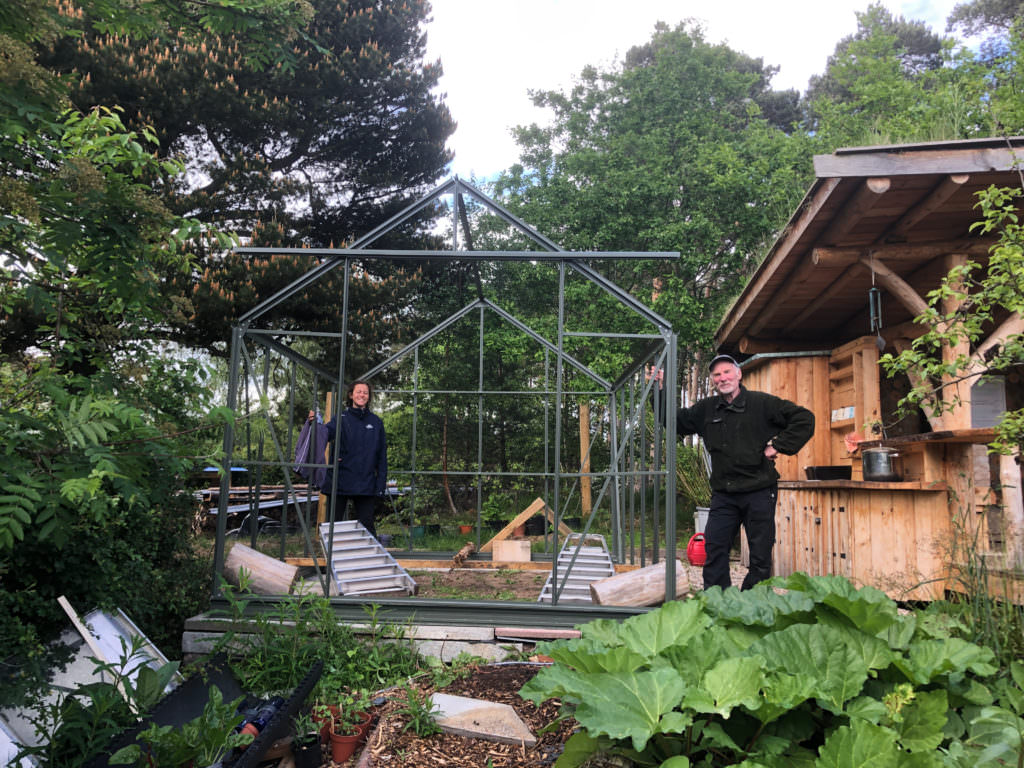
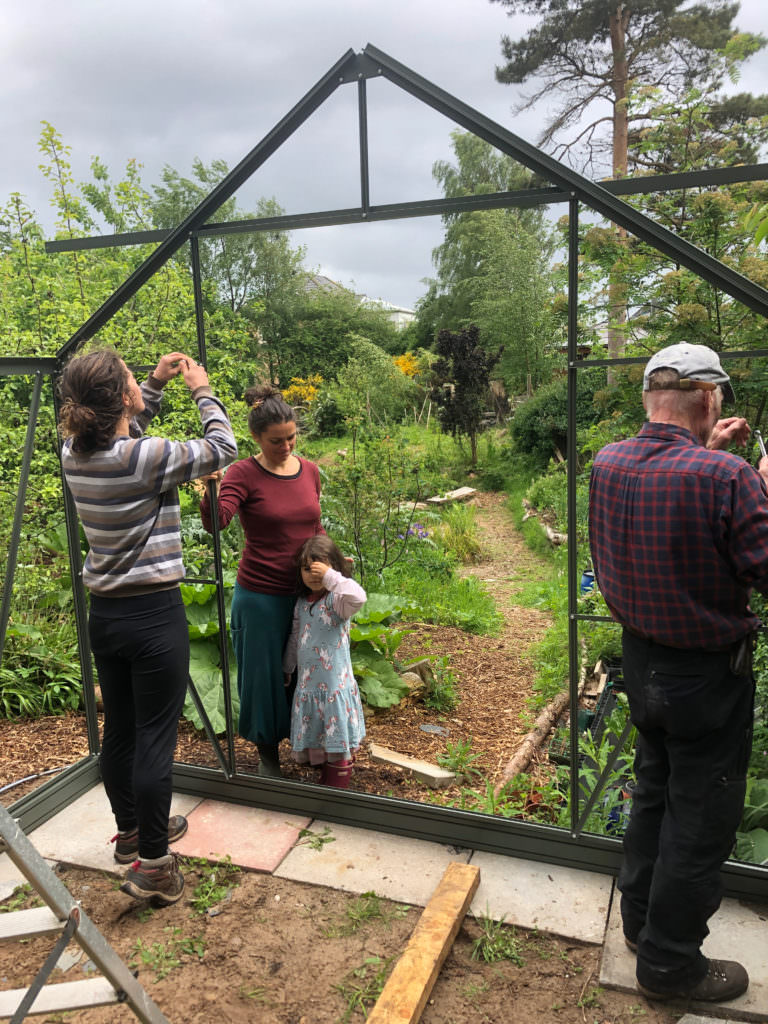
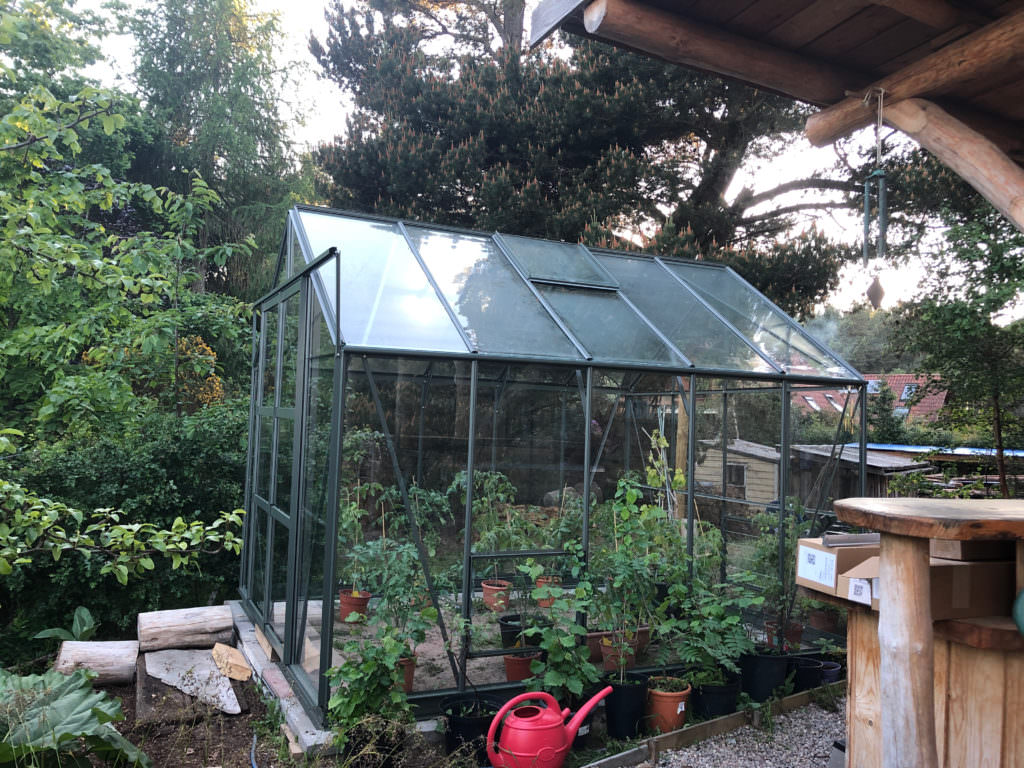
The summer of love in the Woodland garden has been a joy and now the harvest is upon us. So it is a good time to look at our annual wonders, from giant heirloom tomatoes (from our wonderful new greenhouse) to squash, courgette, beans and peas, artichokes and corn. The wilder chards and kales, skirrit and yams have all worked their way into the fruit bushes and trees. The first “woodland potato bed”, just outside the garden gate, was a star performer!
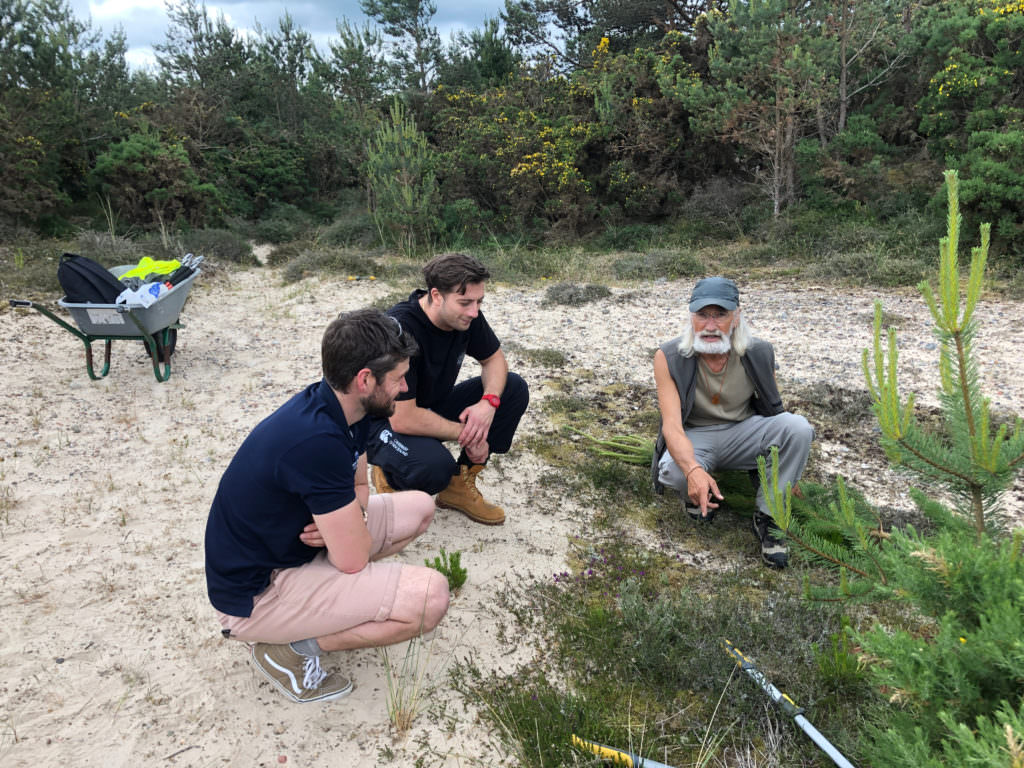
The pond is looking healthy and recently we cut back the reeds to leave a bit more open water and allow for more diverse planting. So we welcome some bullrushes, yellow iris and water lilies. I think we had an agreement from our feathered friends when a black bird landed on my shoulder a couple of weeks ago whilst working on the pond.
The wild strawberries did well, so too the redcurrants, the plum, apple and pear trees. Though the cherry trees are doing less well and we may lose one this year, they have a relatively short life span so it’s not unexpected.
Many new herbs and exotic plants made an appearance this year, the chameleon plant (fish herb) and the Bucks-horn plantain to name but two.
We also had the glorious display of wildflowers in our new flower meadow. A mass of golden marigolds, cornflower and poppy.
There is a small and very special patch being tended by one individual, a Woad garden plot. This is part of a wider goal of opening up and looking at our relationship to plants.
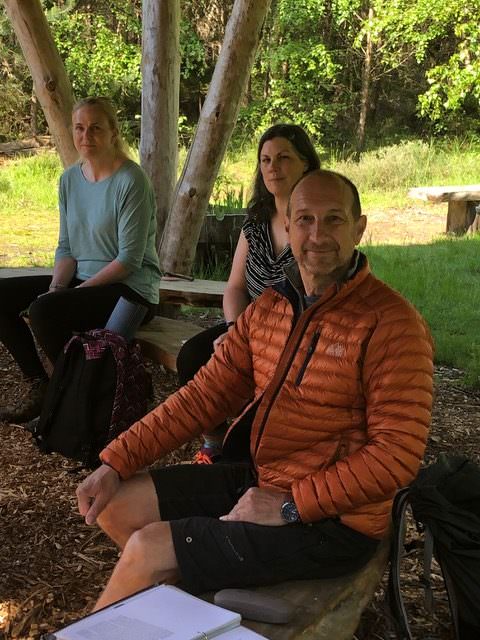
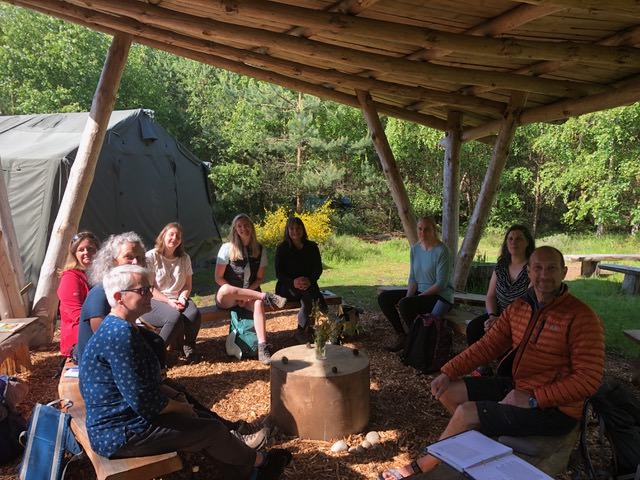
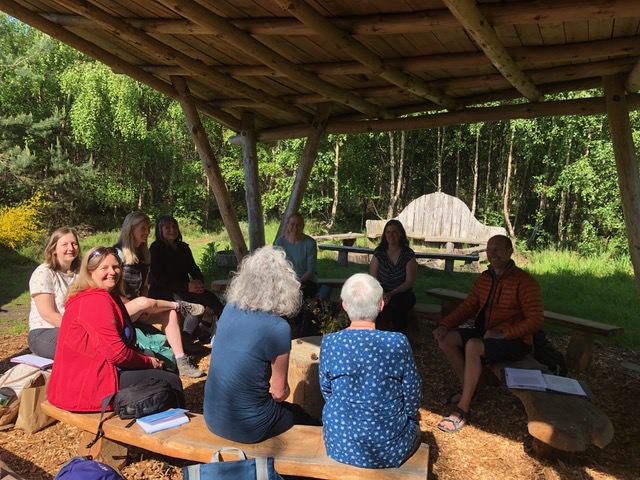
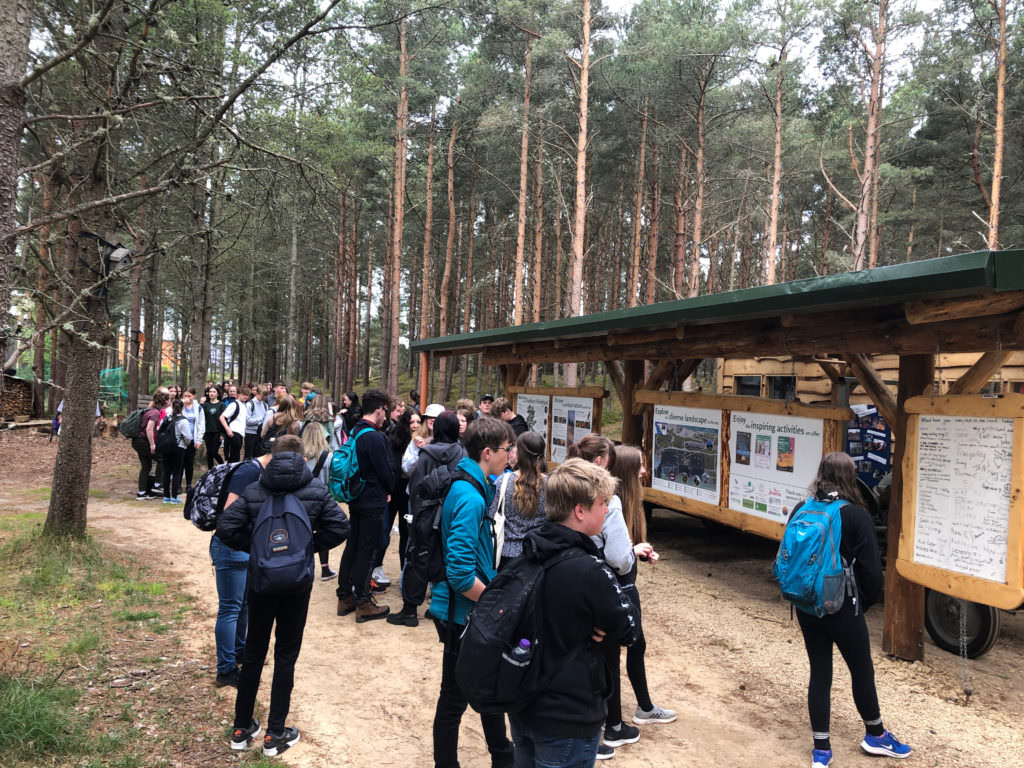
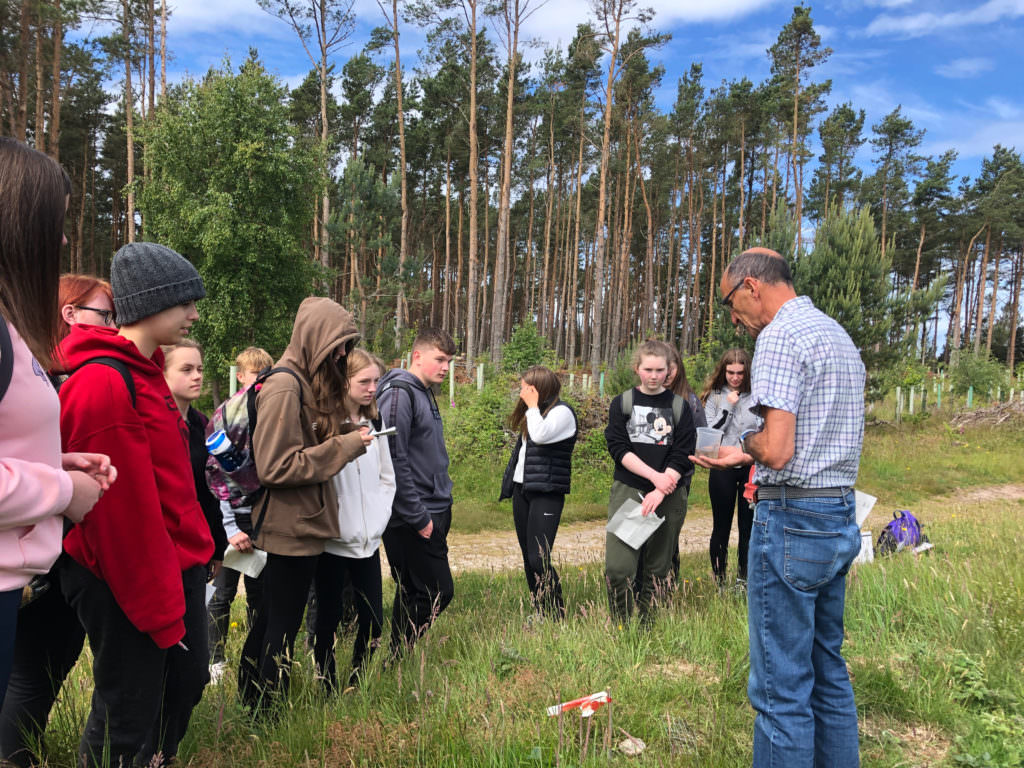
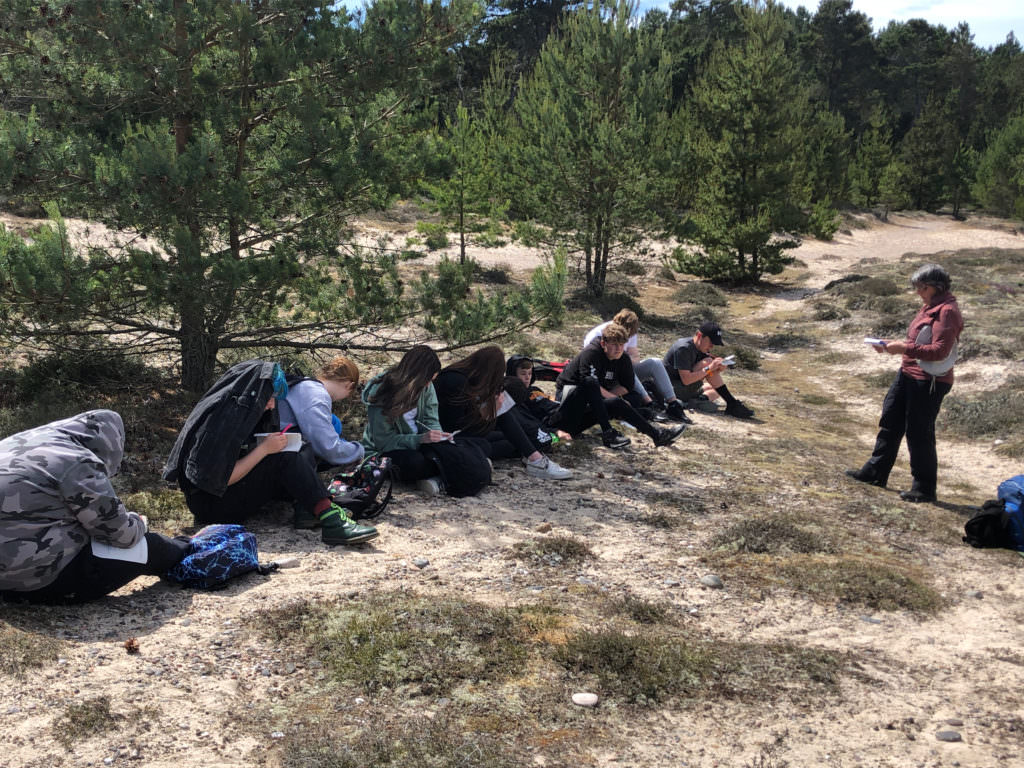
We have seen many visitors and hosted a permaculture afternoon, Speyside school visited us and numerous meetings occurred in the Outdoor Learning Space (OLS), some bush-craft work and it is heartening to see people regularly coming to proactive meditation, to bird watch or to read a book. On the table in the OLS, you will also see the book of the Garden, a collection of stories visitors add to. We are also doing a lollipop survey of what the word “harvest” means to you.
We also now have an inviting outdoor fireplace, where we cook up a harvest tea, using leaves and fruits in the garden (including a newly discovered tea bush) to share with visitors.
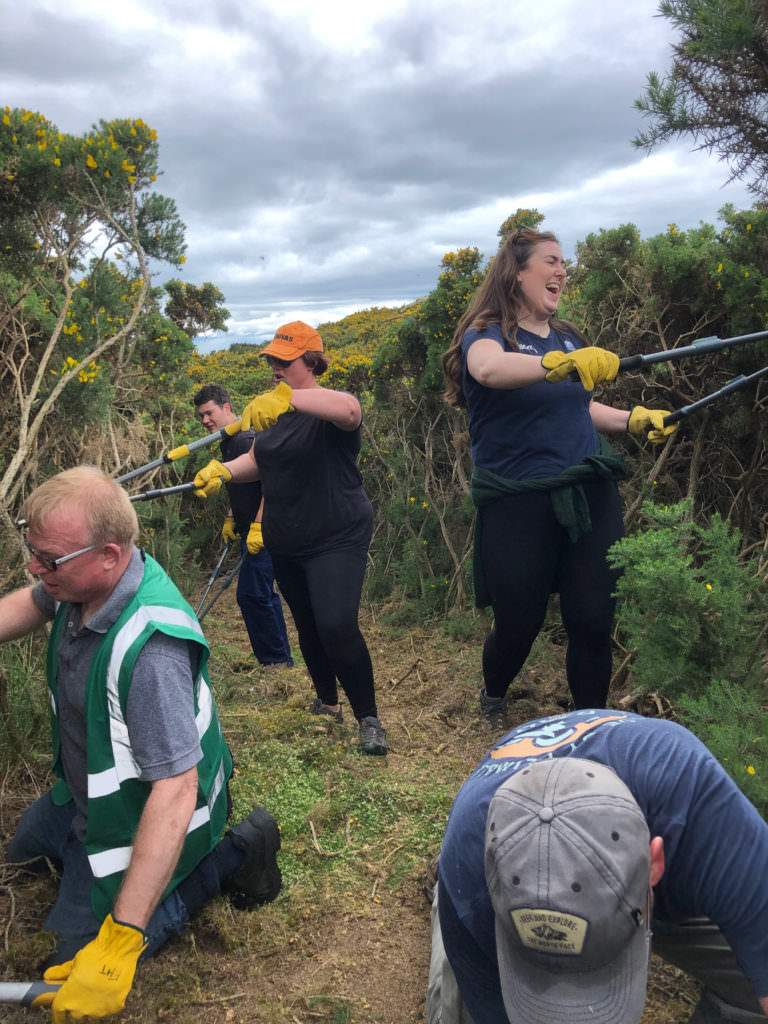
As ever we have much to do, we are working on a retainer wall near the pond, keeping paths clear and the fence with the info boards is about to collapse! So helping hands are needed.
But for now, let us now enjoy the harvest and prepare for longer nights.
Draeyk van der Horn
FHT Woodland Gardener
Green Moray Councillor