
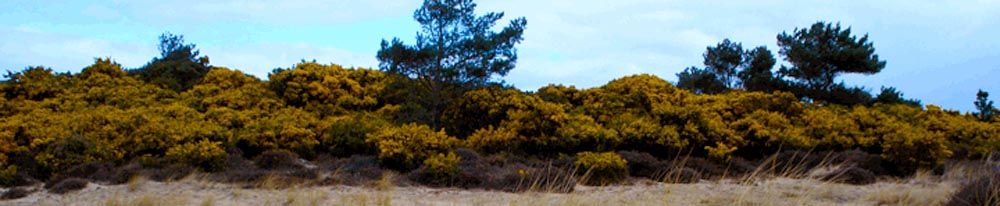
‘Value the marginal’ – An appreciation of the ‘edges.’
As I write this, it’s still just the middle of Feb, so theoretically still winter.
Winter here has been mostly wet & windy with just a week when snow covered everything with a beautiful glistening white blanket.
The winter is usually the time when we get to love the woodland with our chainsaws. Restructuring the tree-plantation we had inherited, dealing with storm damage and working on the edges of Wilkies Woods. (Besides cutting Christmas trees, of course).
But by the time you get to read this spring will be here.
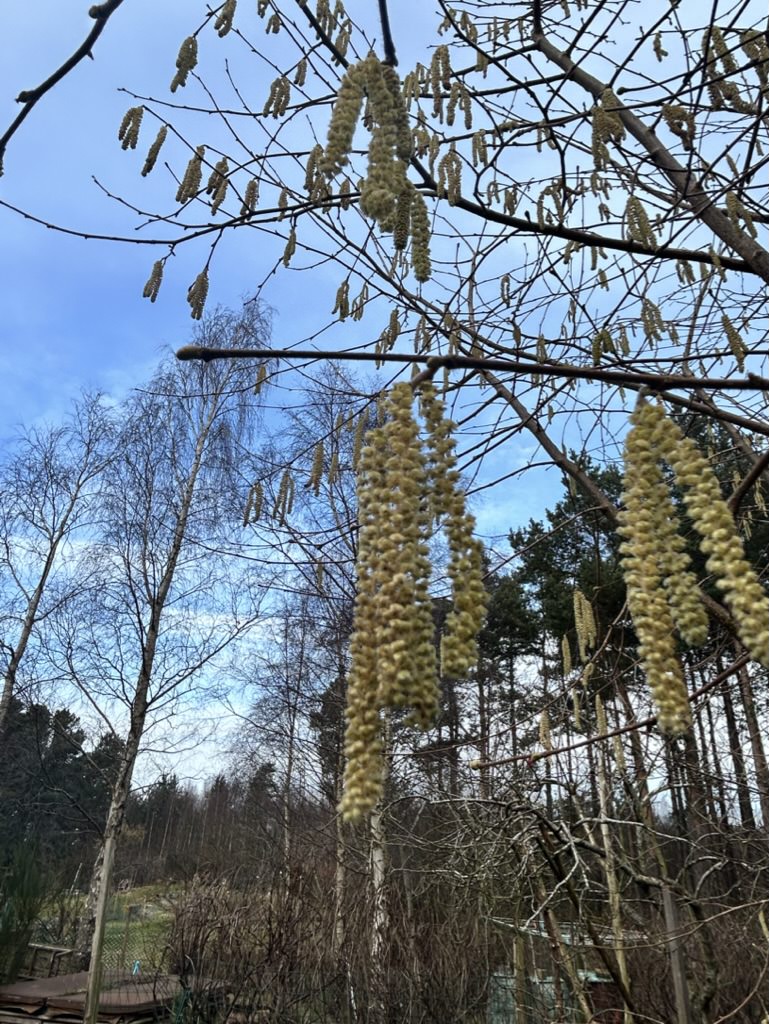
Already the yellow tassels on the hazel trees are bravely promising a warmer, brighter season to come. The margins between winter and spring…
But let me share a bit about our work on the ‘edges‘, the ‘margins’ of our wee woodland…
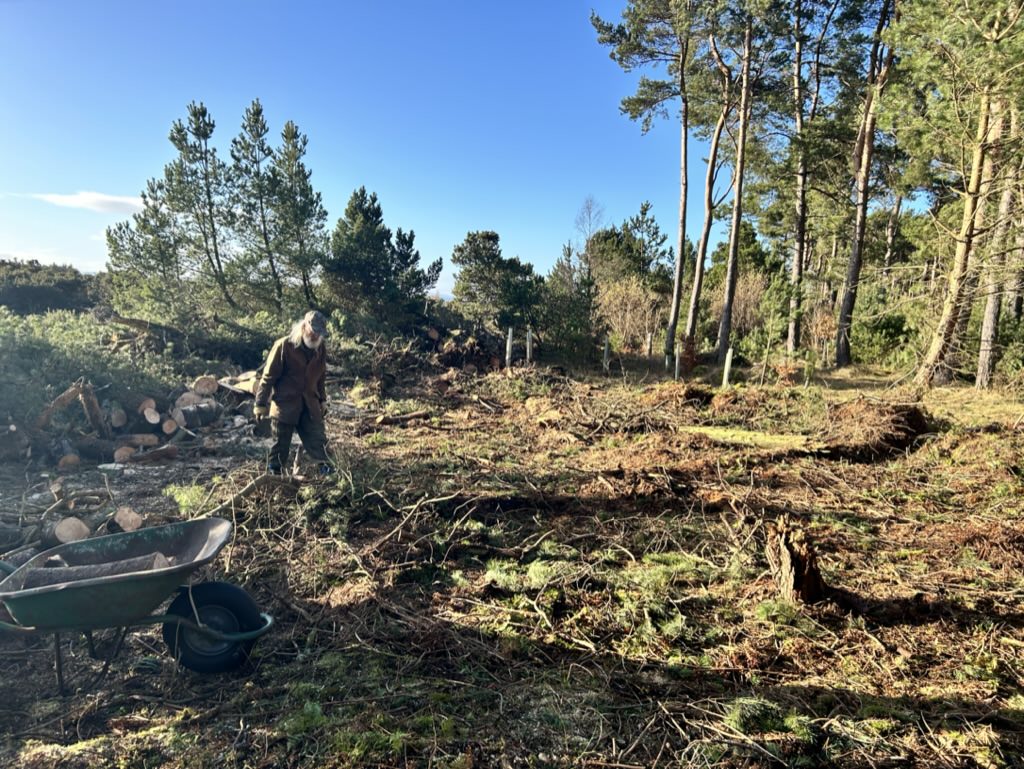
We have spent quite a bit of time with that again this winter. Lodgepole pines blown down years ago but with a few roots still in the ground have sent up branches looking like medium size trees.
And every year a few more of these trees at the edge of the woods get blown down. The resulting impenetrable tangle – with brambles doing their bit – are useful refuges and hiding places for wildlife. But long term they are not really healthy edges.
‘Edges’ and the margins of the forest are potentially the places of greatest vitality of a woodland, or a garden, compared to the darker centre of the woods.
In a tree plantation, like the one we inherited, trees were uniformly planted and fenced in. They grew up and after 50 or 60 years their ‘edges’ are like a tall wall in the landscape. There is no transition to whatever surrounds the forest. And we can see the same thing all over the country – strong winds hit that wall and the trees come down like dominoes.
In a natural environment the baby trees would come up where they can get lots of light & space – at the edges. And trees would settle there which would not have a chance to compete with the tall trees which make up the bulk of the woods. And these lower growing trees would provide a ‘slope’ which guides the wind over the forest.
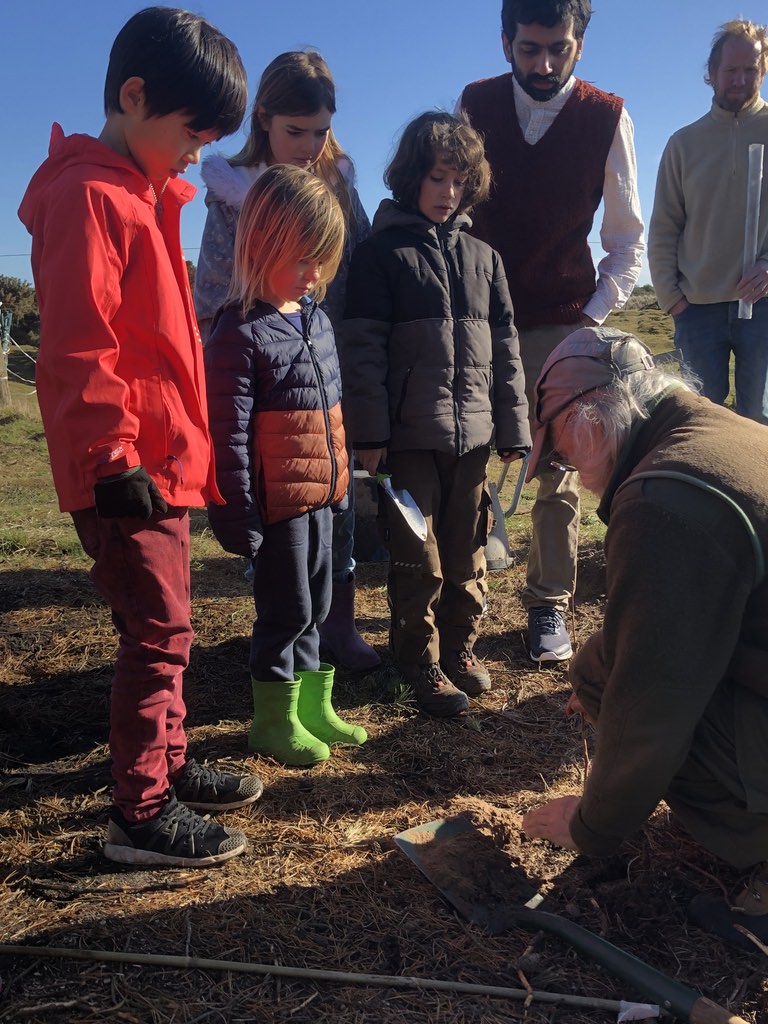
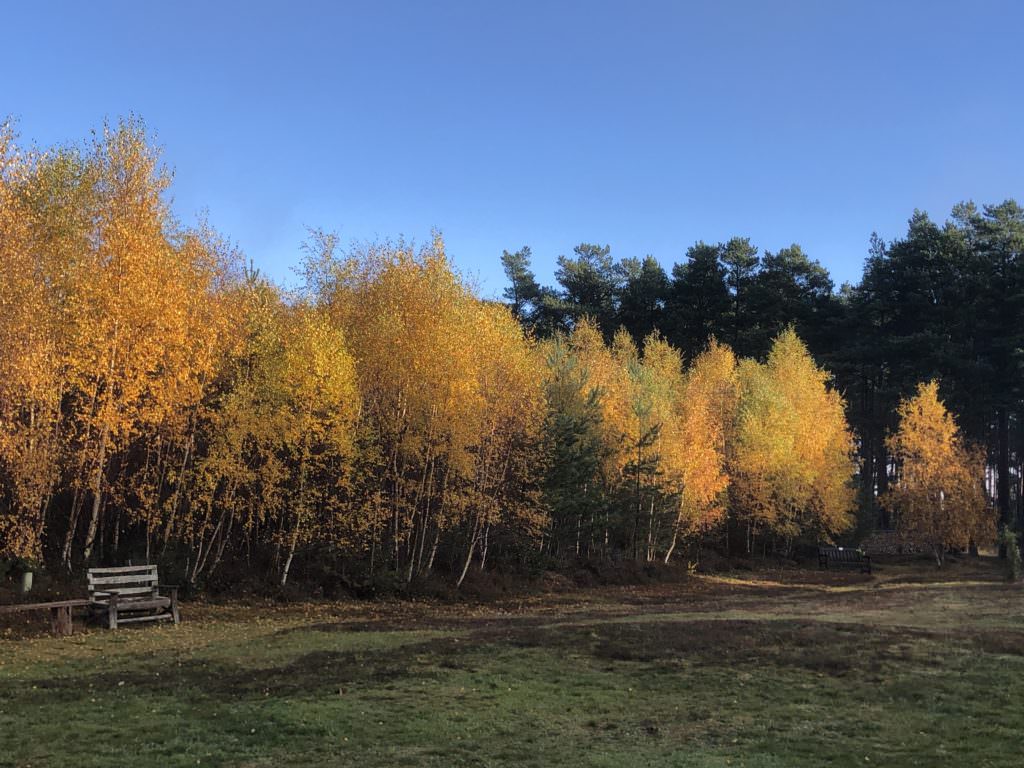
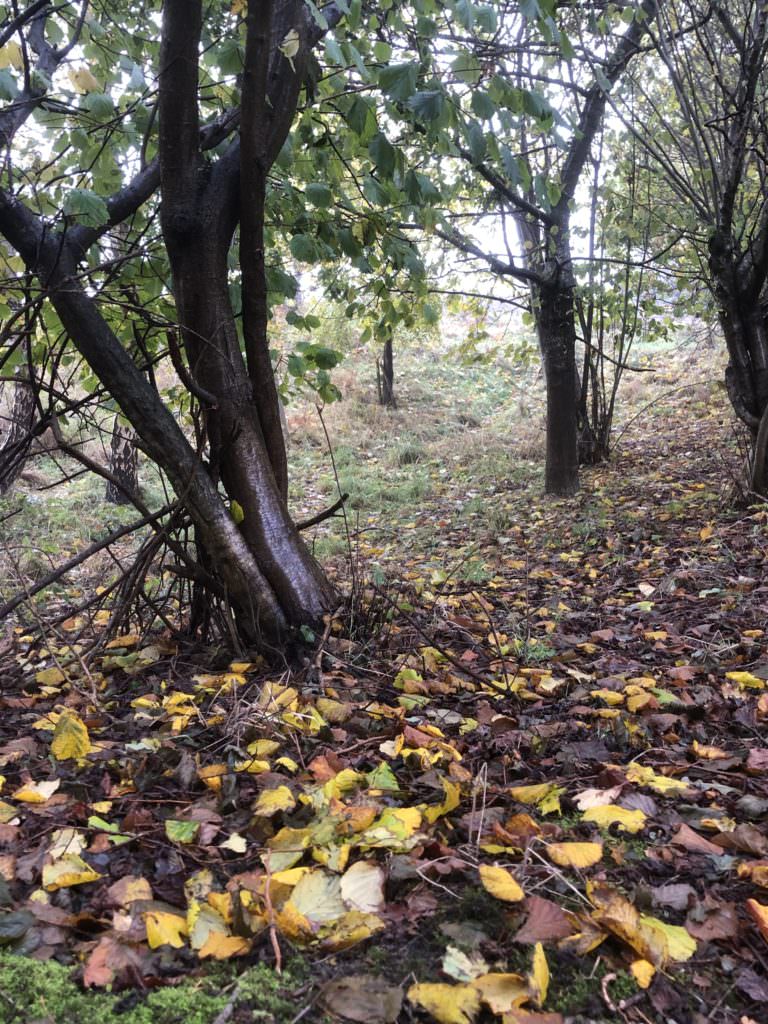
So we have cleared some stretches of these tumble down, windblown edges and we have planted lower growing trees – mostly rowans, hazels, wild cherries, geans, aspen, hawthorn and blackthorn. Birches usually volunteer themselves here en masse. On older edges like this you can see a dense tangle of wild raspberries, blackberries, maybe honeysuckle and many other things which provide a haven for wildlife.
We here are limited in how far we can allow the forest to expand (mostly we have to stay within existing boundaries) and as we want to cultivate a mixed woodland (mixture of ages and species) we plant the trees which bring the desired diversity. (A mixed woodland is much more resilient against storm, fire, pests and diseases than a monoculture).
But what really fascinates me about ‘edges’ or ‘the marginal’ is how it relates to our own human nature. Of course we all deserve to have a safe place to come home to (the middle of the forest). But isn’t it true that when we take risks, when we dare to step into the unknown, when we deal with ‘edgy’ stuff – that these are the moments when we feel most alive?
We only ever grow at our ‘edges’, right?
When I walk on a narrow path in the mountains with the land dropping off steeply on one side and rising steeply on the other – that is no time to be half asleep – I need to be wide awake! Because I take a risk and walk somewhere where the lack of mindfulness would be rather dangerous.
‘Edges’ of course also relate to ‘boundaries’. Permaculture suggests to ‘maximize your edges’ – avoid hard, straight lines but make your edges/boundaries soft, curvy, and penetrable.
And take our societies – How much more vibrant and alive our cultures would be if we found ways to truly integrate the marginalized parts of our societies. The travellers, the migrants and immigrants, people who are a bit different than mainstream society. Integrating them without robbing them of their uniqueness, their identity, of course.
Fittingly another permaculture principle says: “Integrate, don’t segregate.’
And even more personal, isn’t this the personal work we are all called to do? To recognise that everything in nature has its valuable role to play and to integrate those wild and woosely bits. On our land and within ourselves.
To live a ‘holy life’ we have to do what we can to become whole.
Integrated.
And it usually starts with the ‘edgy’ stuff.
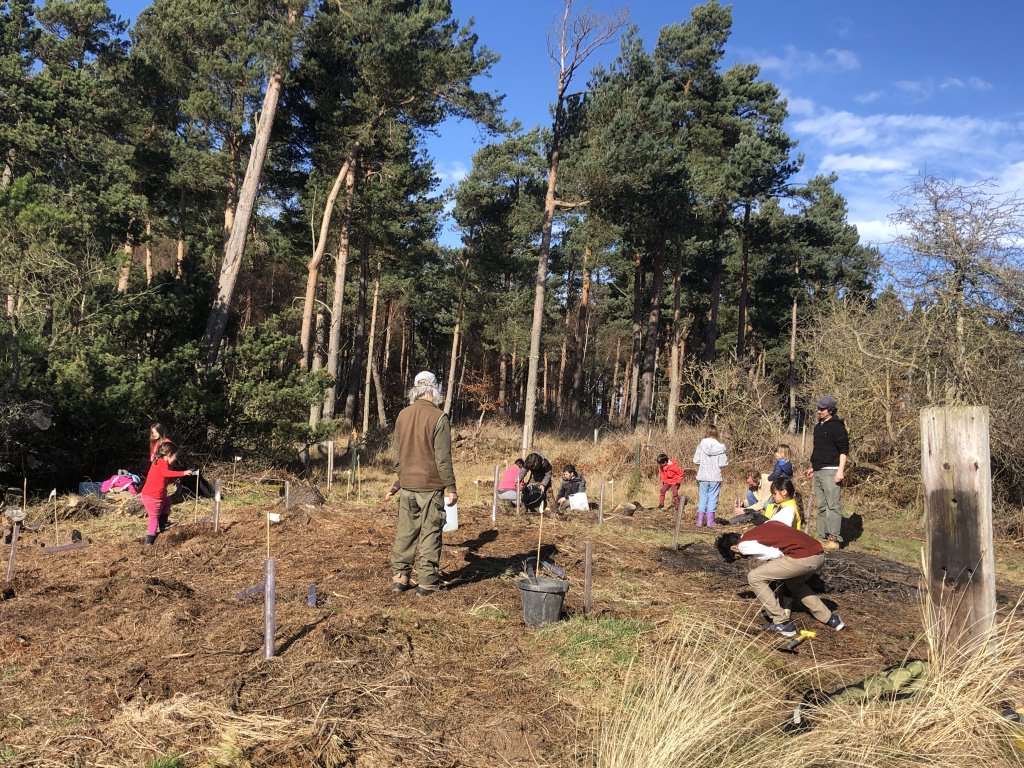
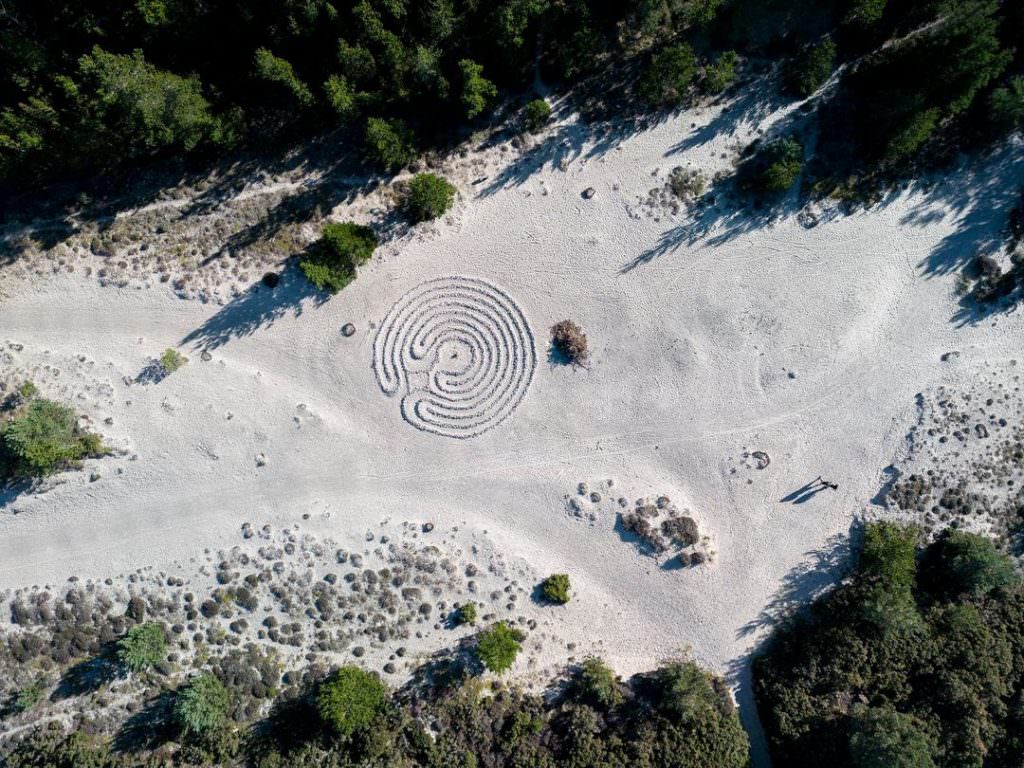
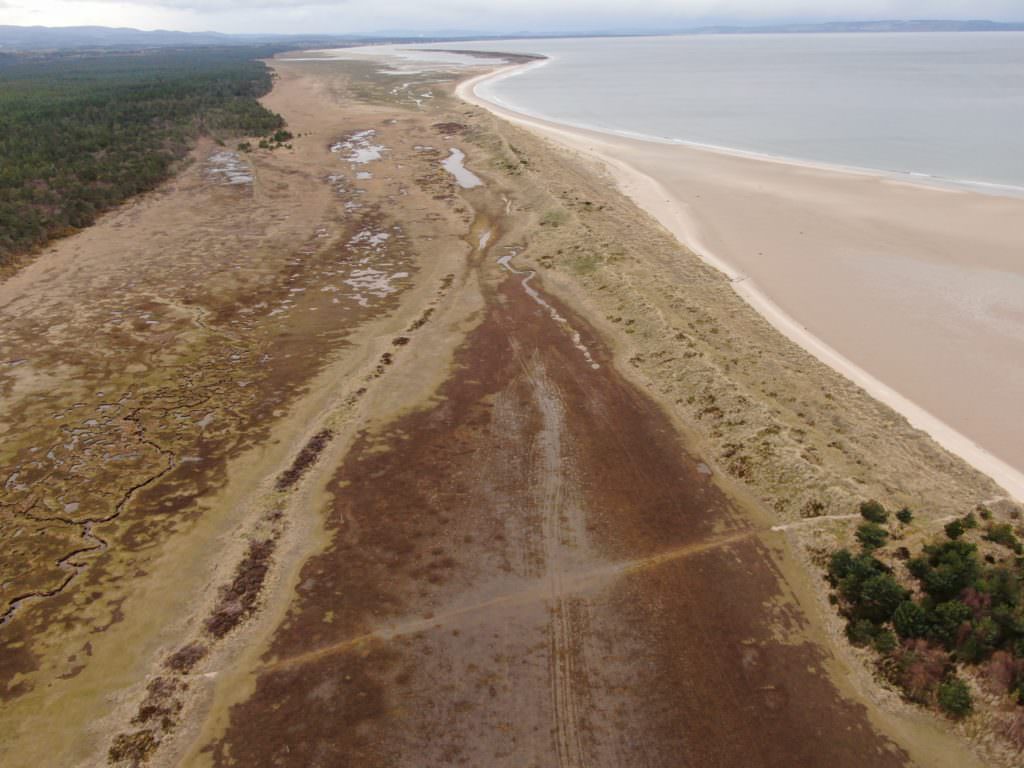
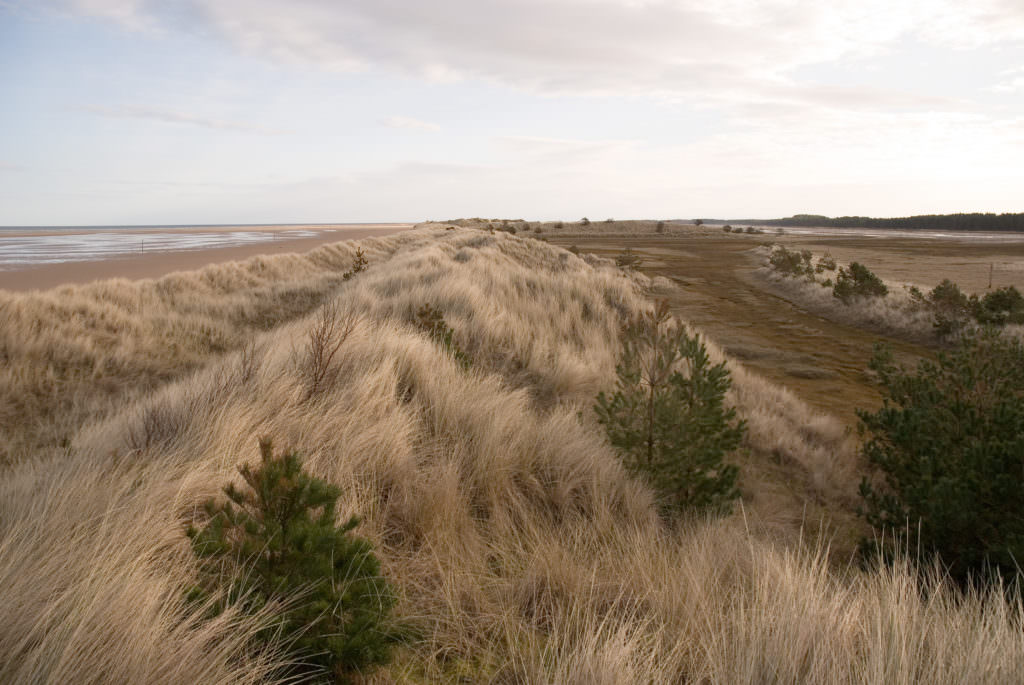
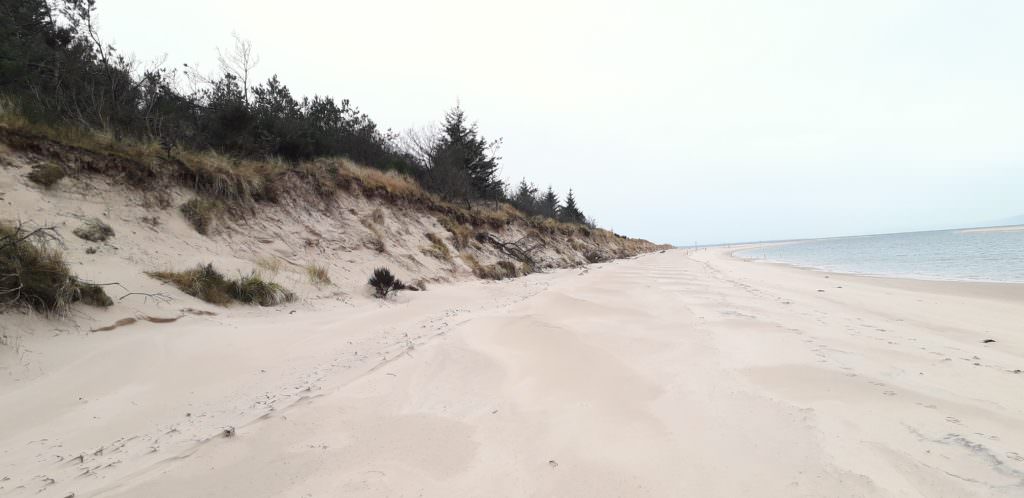
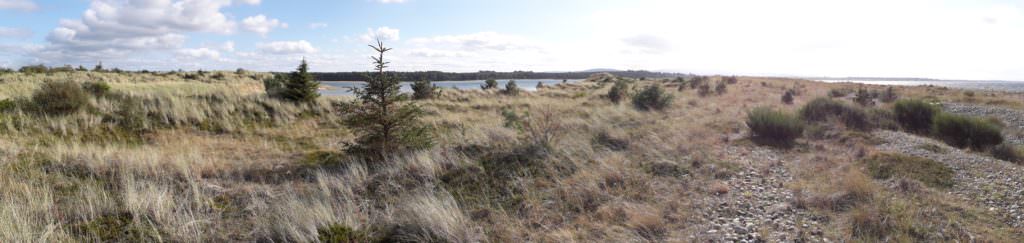
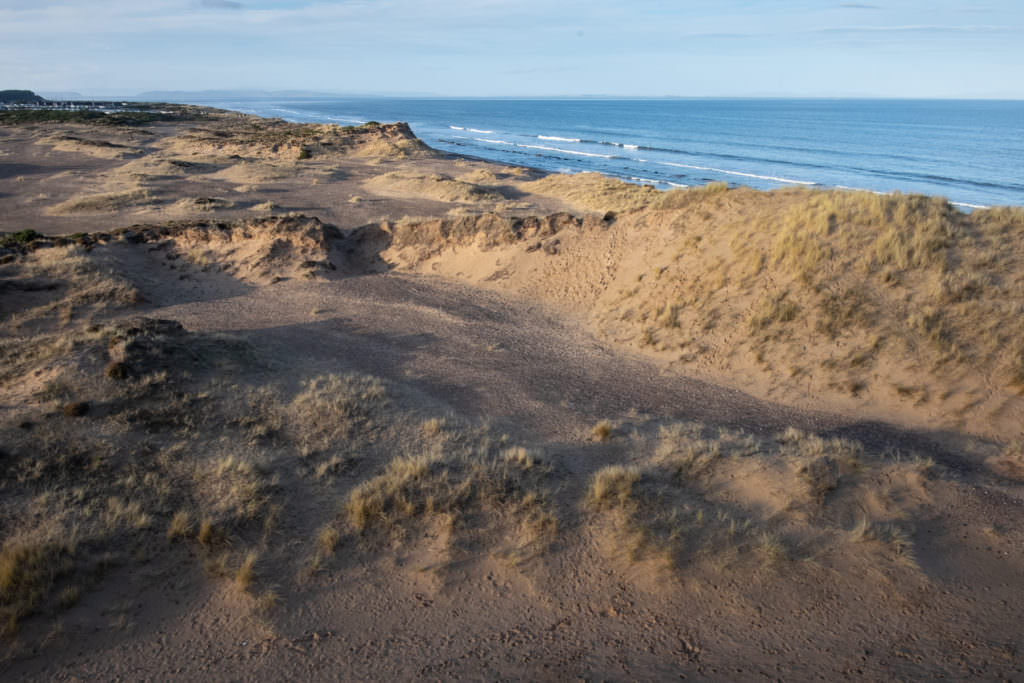
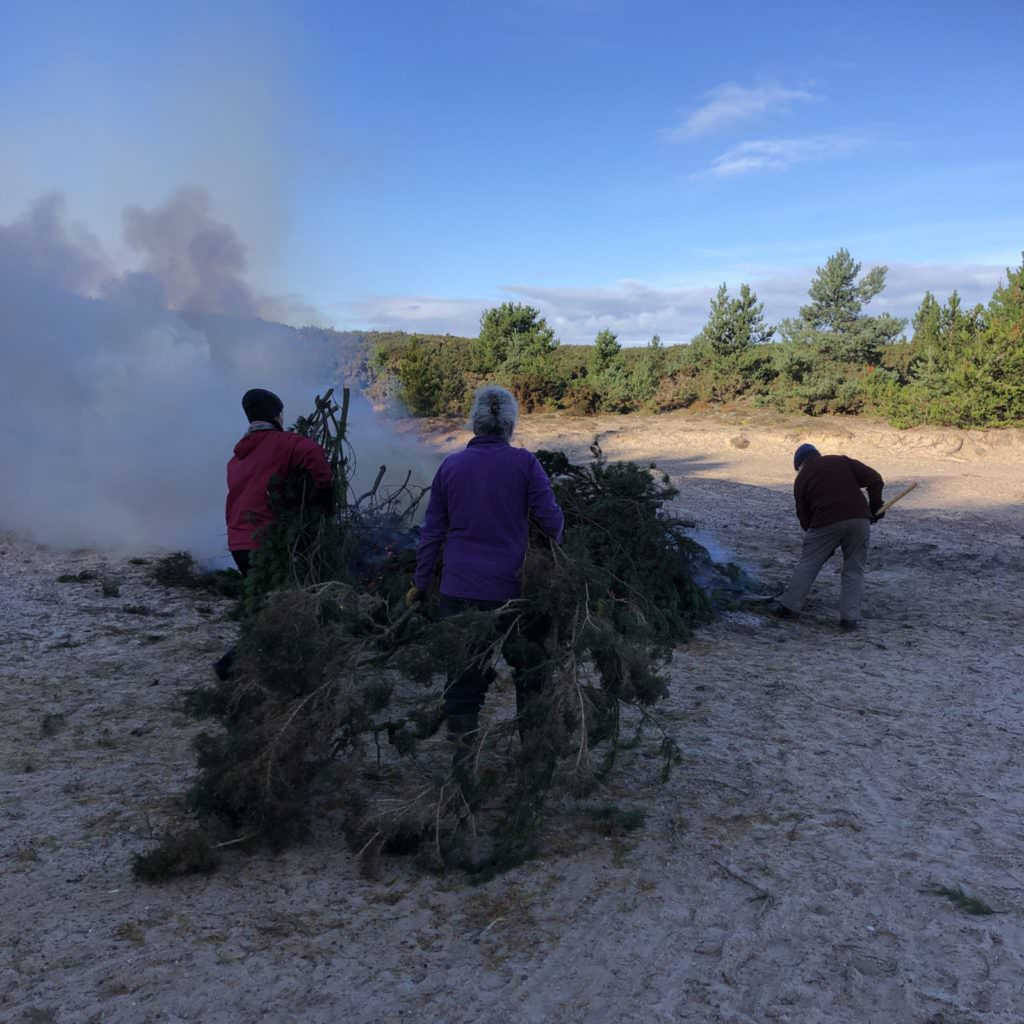
There has been other work going on on the land this winter – mostly to do with the ‘Duneland restoration project’ which you can read about elsewhere in this Newsletter.
I have loved the more introspective time winter offers to us.
But I am beginning to look forward to warmer, brighter days…
Wishing you that – warmth and light…
Many blessings,
Kajedo Wanderer
FHT Land Manager











Meet the Team – George Paul
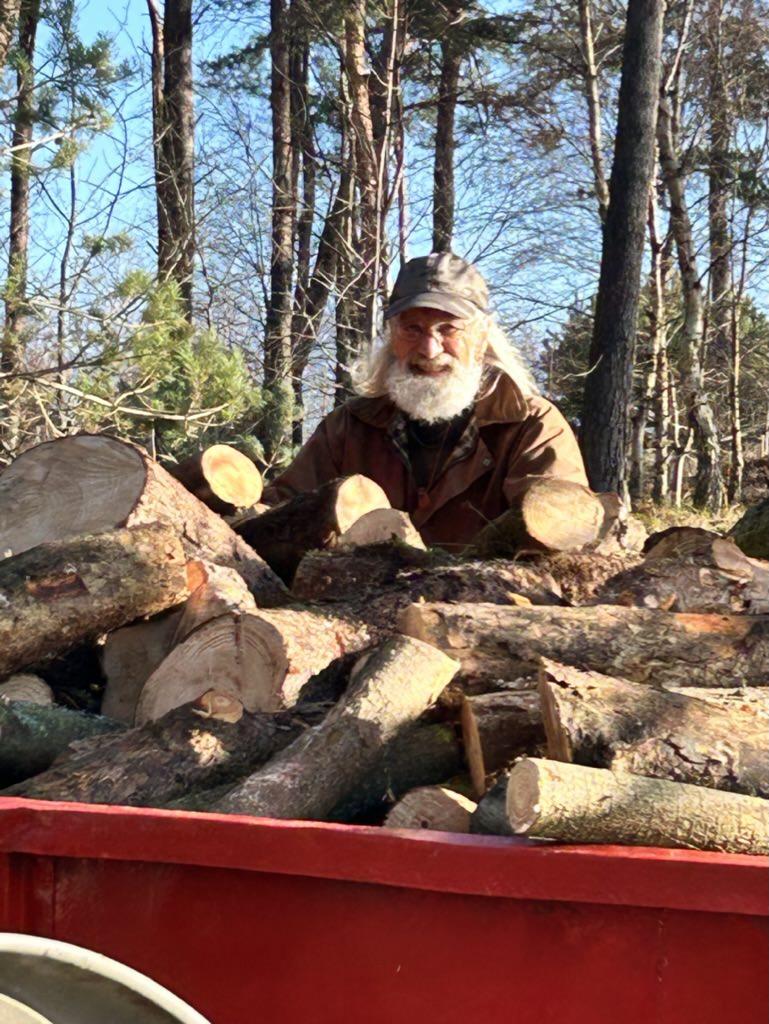
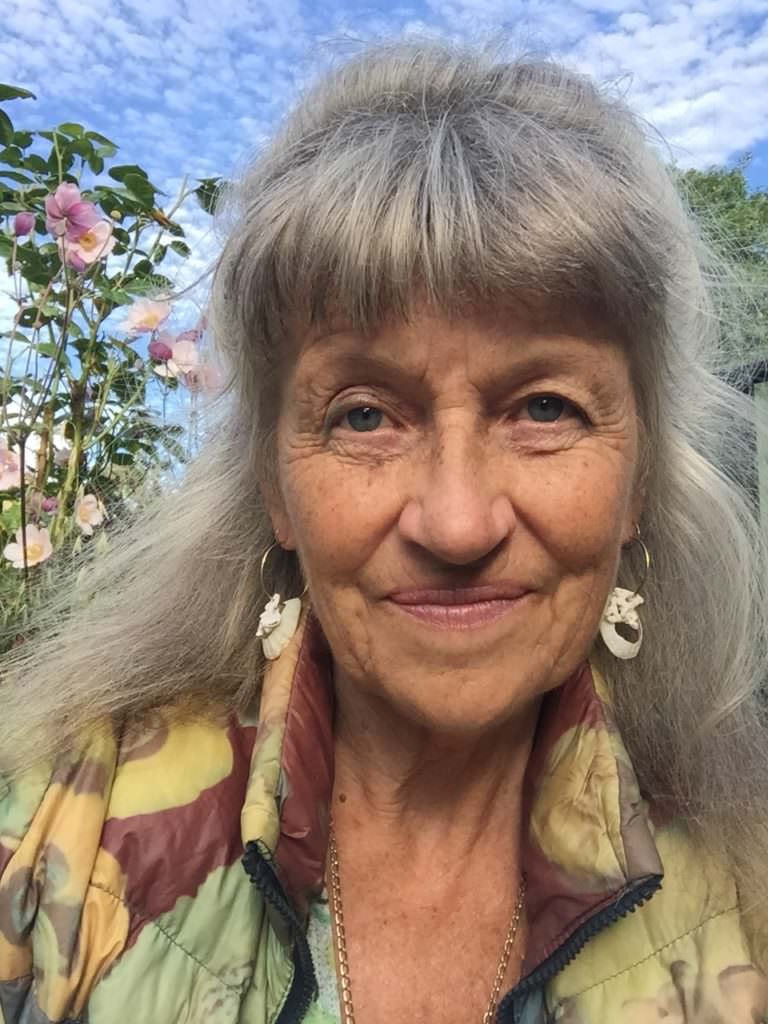
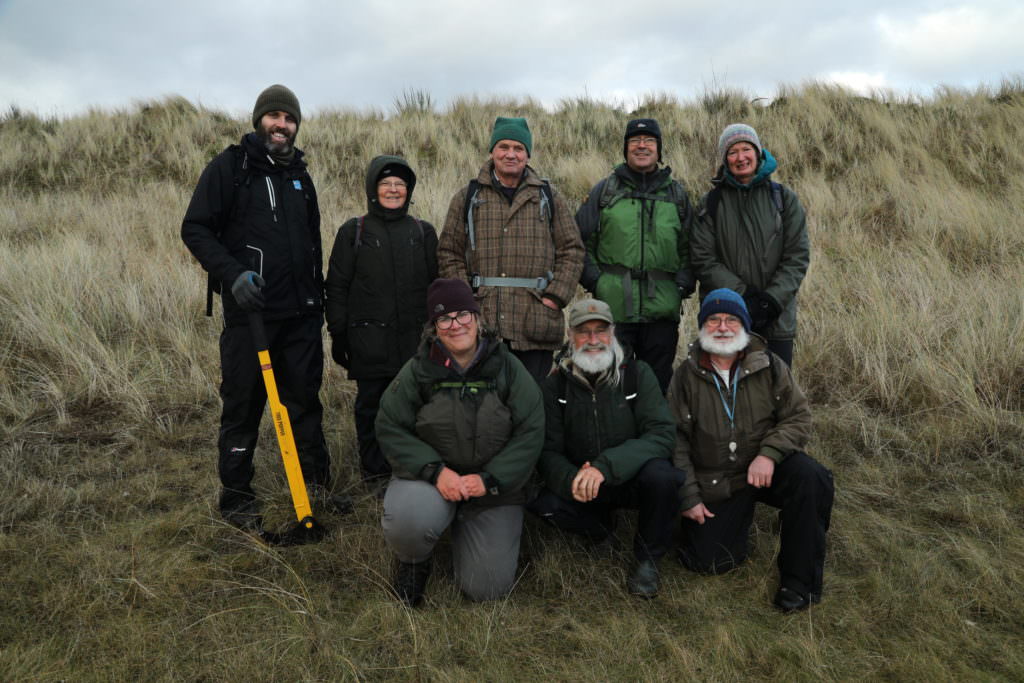
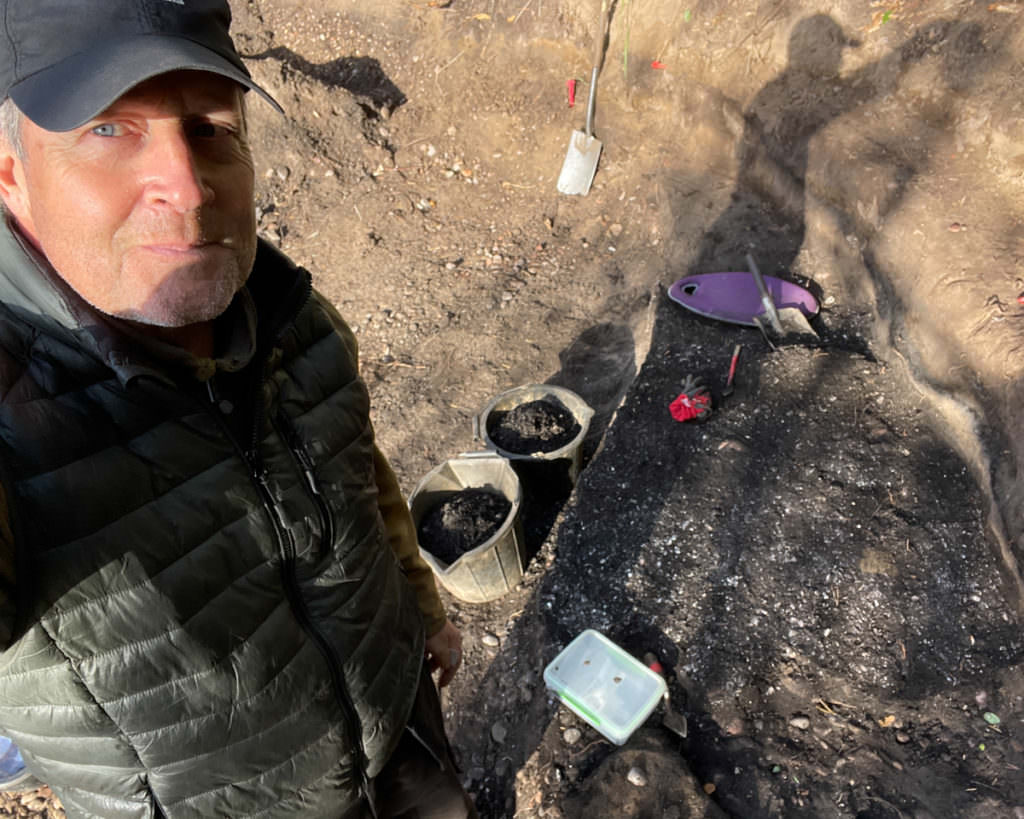
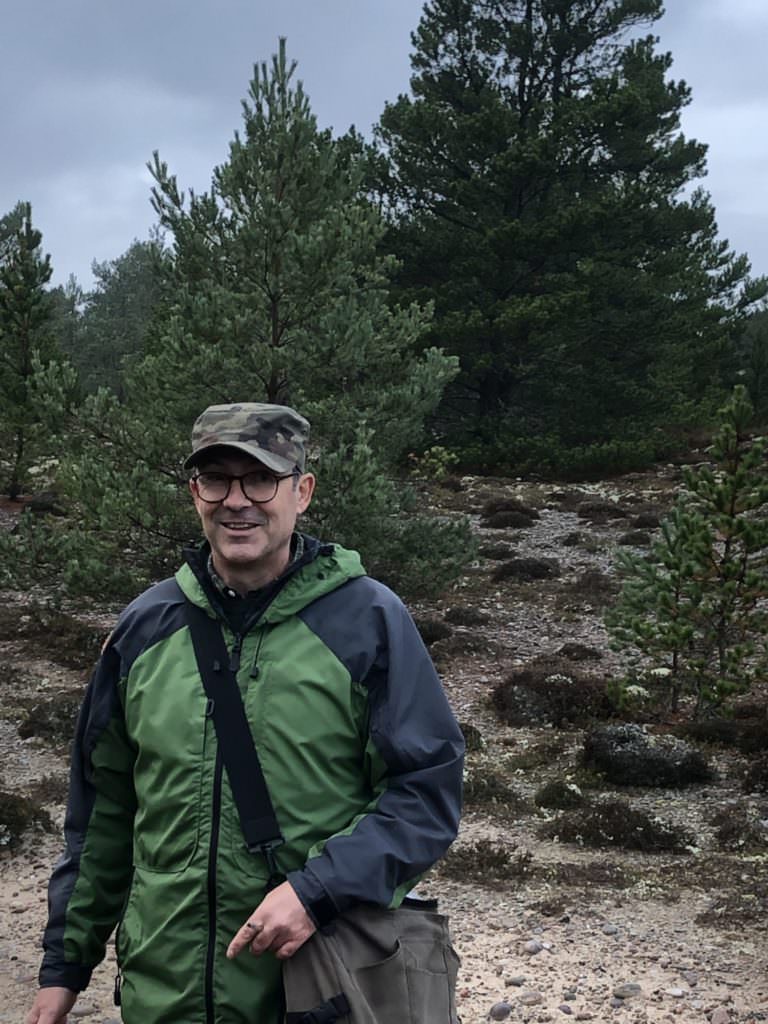
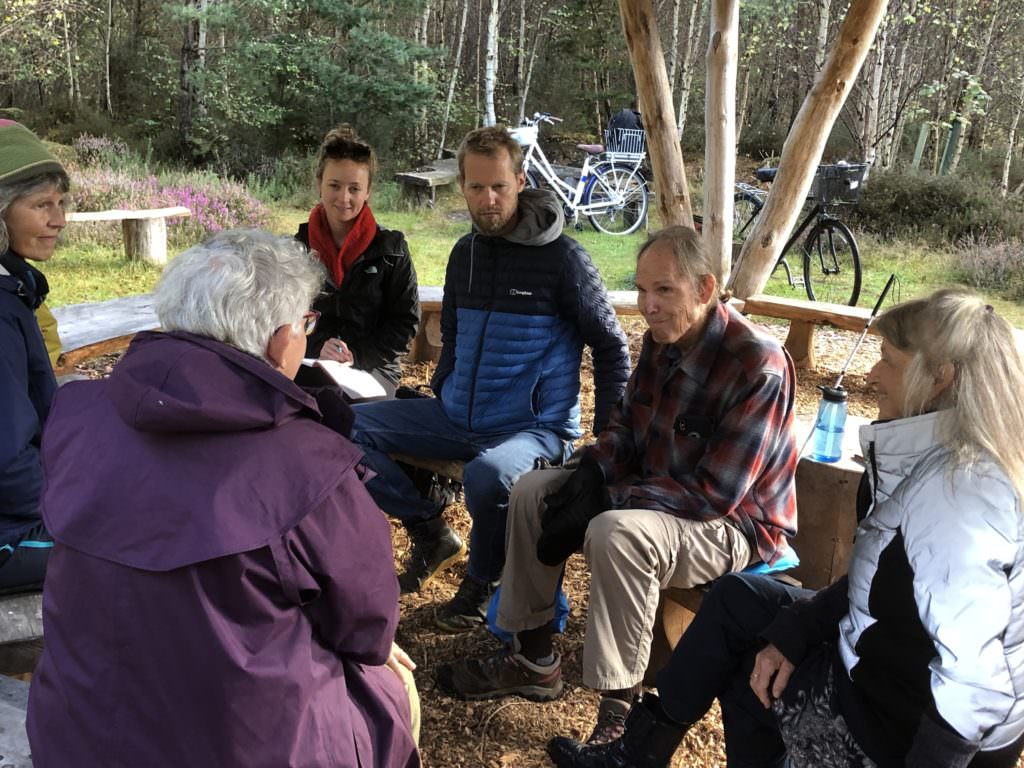
George is a Scot who lives in Forres with his wife Heather and has been a volunteer for over fifteen years, generously contributing to the land and people of the Findhorn peninsula through his work with the Findhorn Hinterland Trust founded in 2015 and its precursor the Findhorn Hinterland Group. His cheerful and knowledgeable presence, often in the background, has helped the work of the charity in many ways to become what it is today. This is a little about George’s story.
What inspired your love of nature?
My childhood experiences influenced me greatly – as a young child growing up in Elgin we always went for walks in the oak woods and down on the coast. My parents and grandparents were great gardeners. On my mother’s side the family came from Cumbria and we used to walk on the fells. From an early age I was exposed to the joys and wonders of nature and if it starts then it seems to stick. From Elgin we moved to Boddam near Peterhead, then to Singapore, York, Aberdeen then back to Singapore – always with much time spent outside and a connection with the natural world. As a child, if it was not raining, I was always outside. Weather never worried me and as a teenager in Aberdeen I had a friend who was in the Scouts and we used to go off into the Cairngorms to do a lot of walking and camping in the hills during all times of the year. That was a great influence and gave me great satisfaction.
What sort of work were you involved in during your working life?
Principally I was a teacher of Geography and Environmental Studies but also spent two years running an Adult Literacy programme in a rural district of Botswana. At other times I picked up the usual mixture of odd jobs such as being a builder’s labourer, helping on a sheep farm and working at Wastebusters recycling centre in Forres.
Why did you decide to get involved in the work of the trust and how have you been able to contribute?
The hinterland is such a beautiful area. There is a sort of vibe to it and it is of a manageable size so you feel that if you work on it there is a chance of getting real results. Also the variety of habitats and creatures on the land make it an inspiring place. The other side of it was the people that were involved in the work – you felt that you were not alone but doing something good together.
I have been involved for fifteen or sixteen years from just after the storm blew down much of the compartment of Wilkies Wood that we now call the fallen acres with part of it becoming the present Wilkies Wood Green Burial ground. I was involved in the clearing and replanting of much of that area and have some lovely photographs of the original desolation and then its recovery. It was a lot of heavy work. When we had cleared most of it away, what an inspiring show of absolutely amazing foxgloves sprung up! My involvement gradually built on from that experience. I took up the chainsaw training offered by the trust and was involved in the felling and replanting of trees in other areas as well as a lot of gorse clearing on what is now Findhorn Dunes Trust land. Such work brought me into contact with Kajedo Wanderer who later became the part time Land Manager for the FHT. Working with him, I came to greatly value his insights, knowledge and experience.
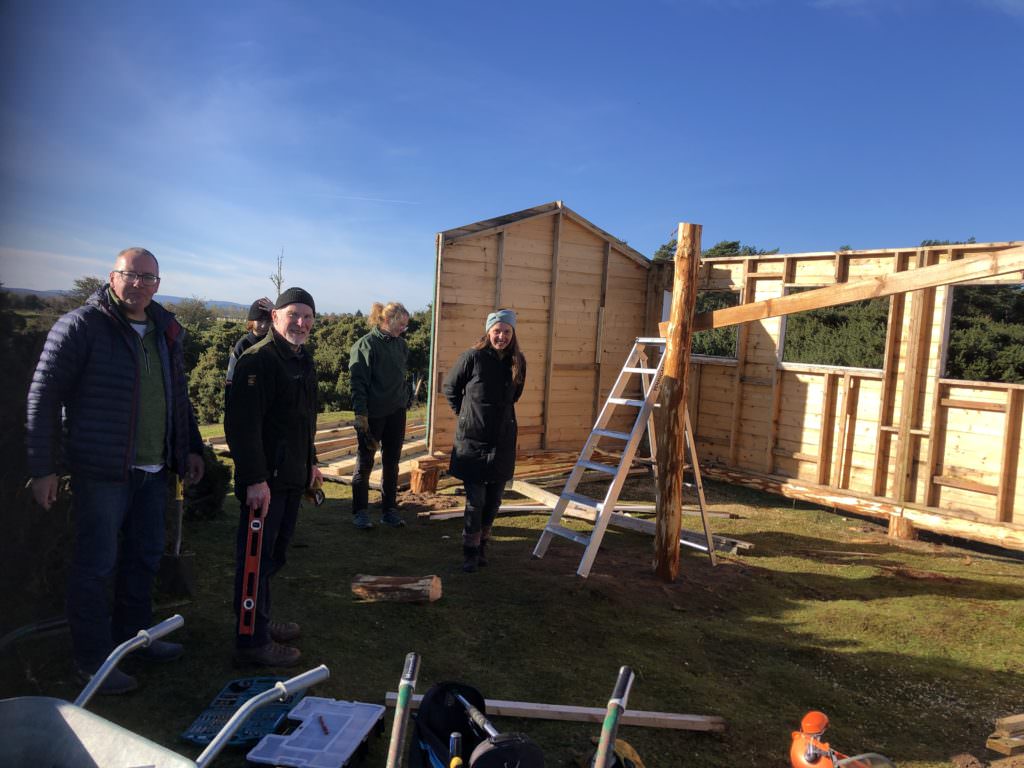
In the summer of 2011, I also helped with the construction of both the Woodland Shelter and the first compost loo from timber from the woods which was fascinating. Other things I got involved in included the making of the ponds on the land, the hibernaculum for frogs and toads next to them and basically all the different projects that have taken place on the land. There was also a lot of talking about what needed to happen and how best to go about it which led me to become one of the members of the Land Management subgroup which I really enjoy as it feels good to be involved with discussing the details. It is satisfying to be involved in thinking things through and being partly in control of what is happening on the land
What aspects have you found most satisfying with regards to the FHT work that you have been involved in?
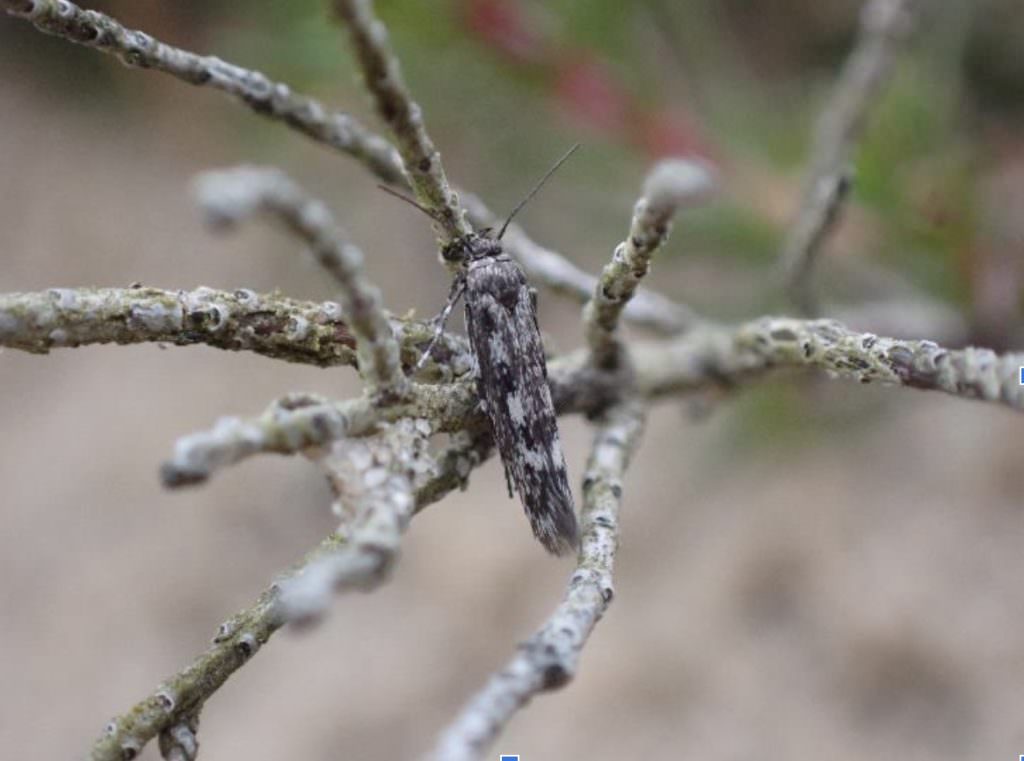
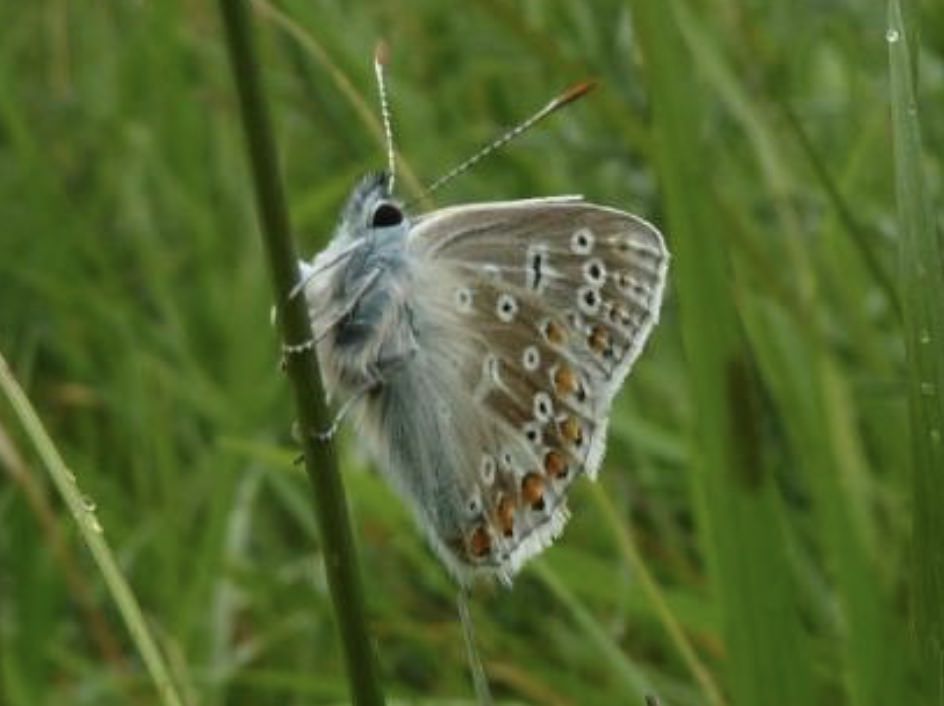
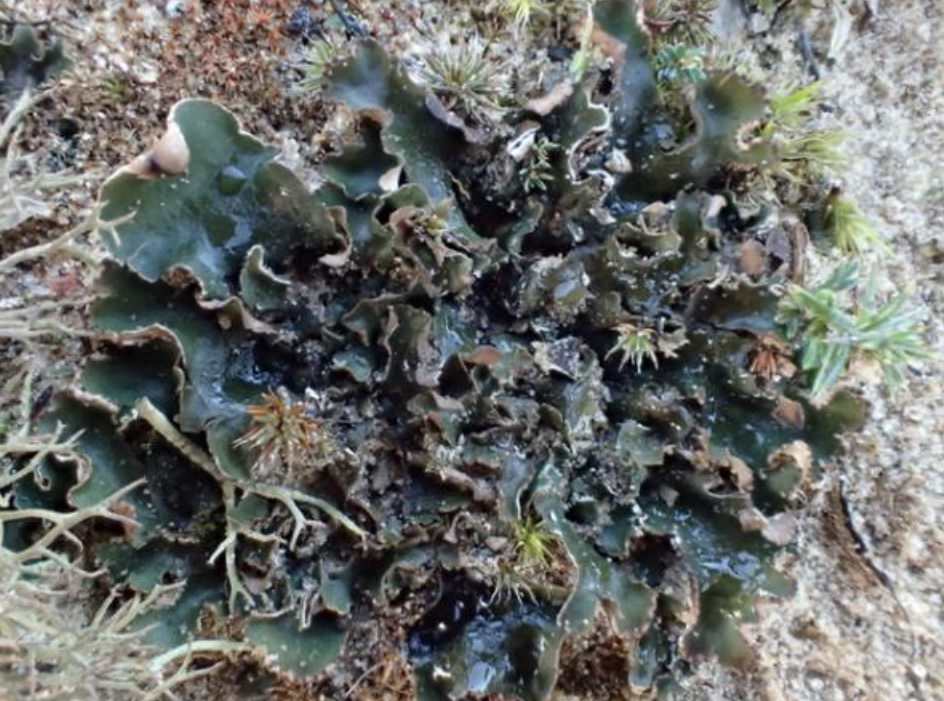
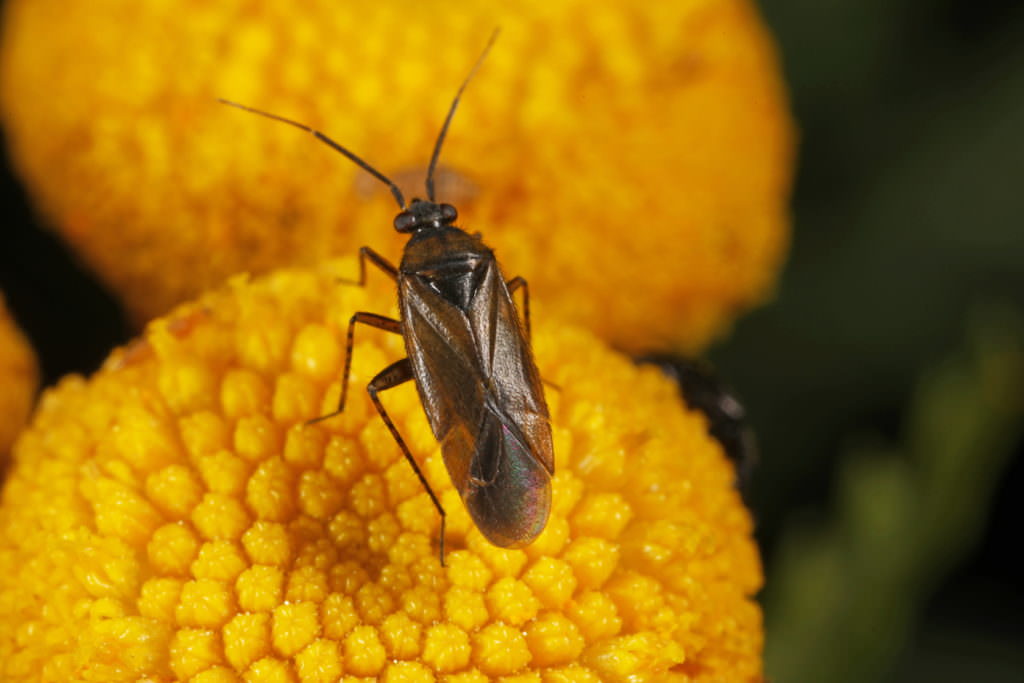
That is hard to think about as everything is connected together but I would say the replanting of the trees. For example the far eastern edge of Wilkies Wood was such a tangle due to windblow before we cleared and planted it. Some areas we had to replant a couple of times and in others trees took first time. It has come along really well and this has been satisfying to see. The general thinning work in the woods has also been very pleasing as it has let light in transforming the woods from a dark, mossy, impenetrable space to the improved light filled spaces it holds now. Rescuing some of the heath areas where we have cut back the gorse knowing that if we left it the rare habitat would have been swamped and lost has also inspired me. My wife Heather was also involved and saw things differently as she developed this interest and joy in studying and getting to know the lichens of the land. I take delight in her enthusiasm and can see the enormous importance of the small flora and fauna in the whole network of life as opposed to only concentrating on the big and dramatic which is what most humans get so focussed on. I have also appreciated Alan Watson Featherstone’s ability to look at the tiniest insects and mites that live on top of these. It makes you think how nature is so complicated and wonderful. My eyes have been opened wide to such magic.
What would be a high dream for the FHT if anything was possible?
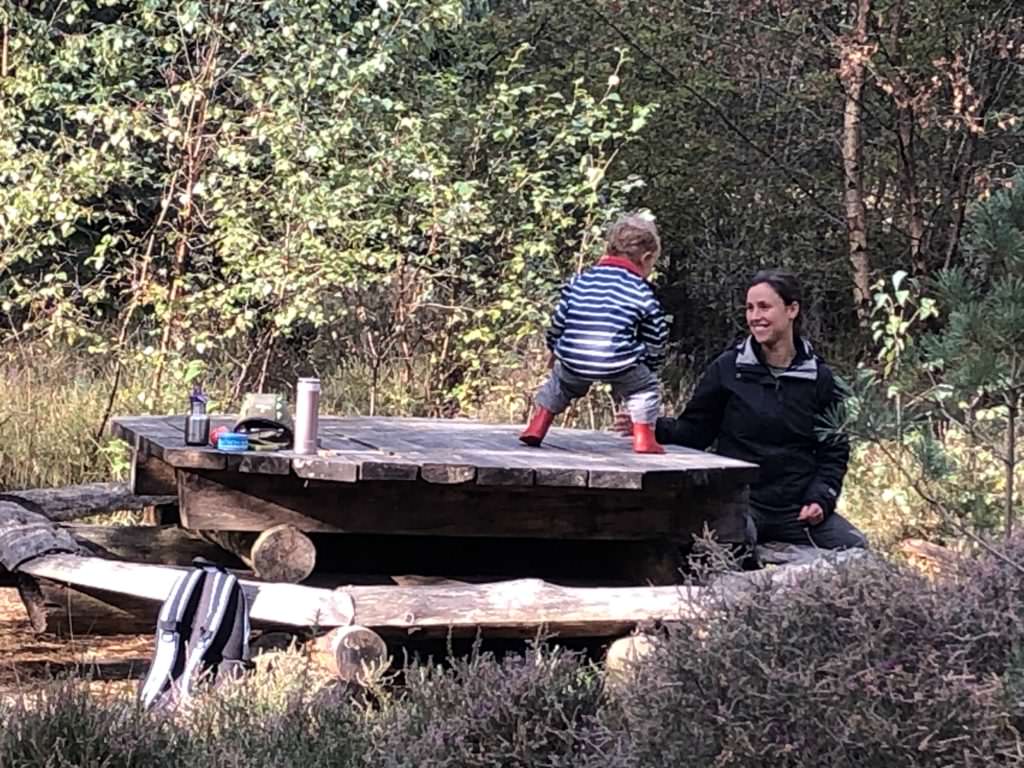
I would like to see the land secured for the purposes that we have set it up – conservation, teaching about the environment, building local community and to provide recreational resources – and if possible an expansion of the area we have influence over. I would also like to see the informed engagement of more and more people – that would be a major success for me. The preservation of the flora and fauna and the rewilding of the landscape is obviously also important as well as the people’s side of it where people really value and understand the amazing area on their doorsteps. Getting the next generation inspired is also extremely important and it is good to see the regular meetings of the Fledglings every Friday out in the woods as getting young children involved early is essential. The youth groups that have taken part in various activities have also been important as these activities stick with them as they grow and hopefully in this way the next generation will be inspired. It counters the almost total engagement nowadays with the digital world – it is uplifting to see when the light shines and they suddenly realise that this world around them is beautiful, wonderful and fantastic. Providing opportunities for those eureka moments gives me so much hope.
Interviewed by Jonathan Caddy
February 2024