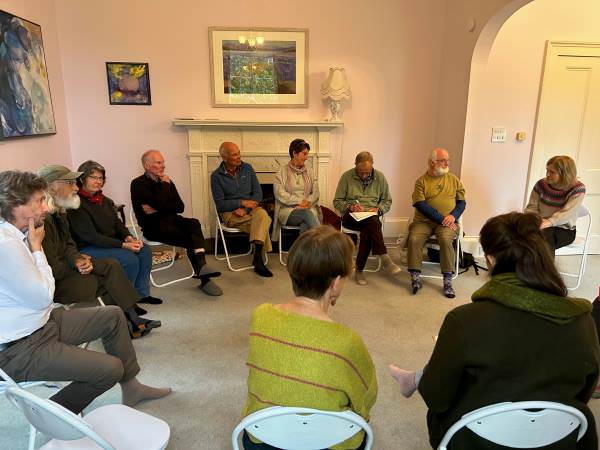
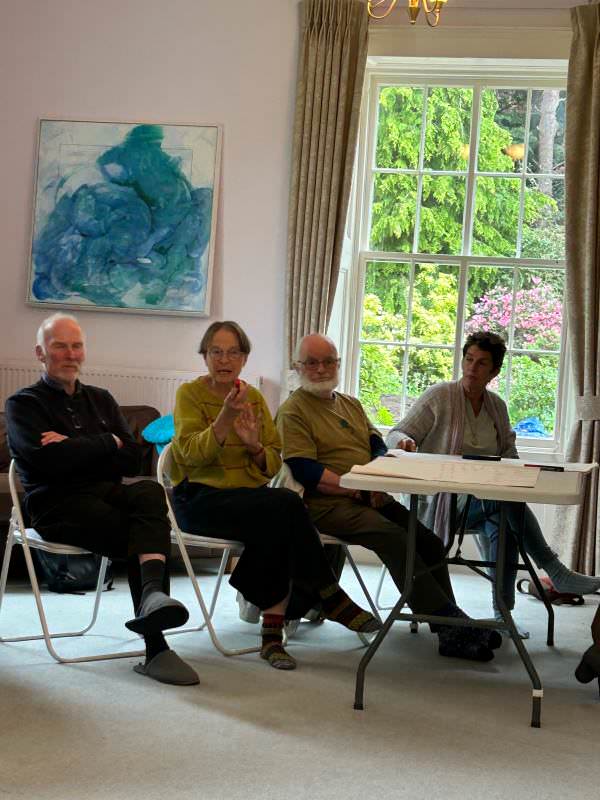
As a well trusted and valued organisation within the Park Ecovillage and the Findhorn/Forres area and beyond, the FHT has much to be grateful for and proud of – its work concerning local practical conservation, opportunities for environmental education, helping build local community and providing recreational resources on the land it manages goes from strength to strength. And yet we also need to make sure that what the charity does can carry on well into the future, delivering for the local community and the land it looks after. That is why fourteen of the core team including FHT trustees got together recently in the Cullerne House meeting room with consultants Karen and Kate from the government funded organisation Just Enterprise to look at where we are and what changes need to start to be made to ensure long term sustainability. What follows is their full report.
After reading it, if you are inspired to get involved in any way with our dynamic team and its work and help with this transition, do get in touch.
Jonathan Caddy
FHT Chair
Report from Findhorn Hinterland Trust Strategic Planning Session
22nd May 2024
Background
The Findhorn Hinterland Trust (FHT) has a strong history of volunteerism and has fulfilled its charitable purposes effectively over the past eight years, building on the groundwork of the Findhorn Hinterland Group. However, to ensure sustainability and resilience for the future, FHT needs to undergo significant organisational changes.
Key reasons for change include:
- Stepping down of the current Chairperson: Jonathan has indicated that he wants to step down. He currently gives 35 hours and more to the Trust each week voluntarily.
- Transition from land manager to landowner: FHT is acquiring the land it has managed.
- FHT has a legal duty as the burial authority of the green burial site it operates to maintain the area one hundred years after the last burial
- Conservation work is in habitats that will require ongoing management into the foreseeable future.
As FHT prepares for these transitions, a strategy session was conducted to discuss the organisation’s future path. This session involved trustees, staff and volunteers.
Survey Results and Critical Issues.
Before the strategy session, trustees, staff and volunteers were asked to complete an online survey.
From the results and additional background research, we found that what FHT does is good, timely and relevant. However, a lot of what the organisation does pivots around Jonathan and while this is one of the organisation’s key strengths, it is also its biggest weakness. As the founder, Jonathan and FHT are inextricably linked. This is coupled with the difficulties the Trust faces to attract younger people to get involved in the organisation. Although income covers the current core costs, it would be insufficient to cover the salary of an operations manager.
Although Jonathan doesn’t intend to step down as Chair until January 2026 the Trust should begin planning for this because successful transitions often take several years to plan. It is also important that trustees understand that, currently, Jonathan effectively wears two hats. One as the Chair and the other as the main volunteer often giving 35 hours or more a week to the Trust.
SWOT analysis results
During the strategy session, attendees were asked to look at the following key areas of activity of the charity and consider the key strengths, weaknesses, opportunities, and threats of each, taking into consideration the 4 key reasons for change.
- Conservation
- Education
- community building
- providing recreational opportunities
| Strengths |
Weaknesses |
- Expertise – age, experience, knowledge, depth and breadth of skills-
| Education
Forestry
Ecology
Practical skills
Book-keeping
Finance |
Organisational management
Photography
Local councillor
Marketing
Lichens
Conservation |
- Continuity
- Passion and vision
- Uniqueness of location
- Connection with the eco-village and the people it attracts
- Diverse sources of income
- Practical application of global issues
- Involved in green issues which are topical
- Internal source of income that covers basic expenses
- People enjoy what we do
|
- Ageing demographics
- Diluted energy – complex diverse functions
- Lower population density – fewer volunteers
- Foundation identification- less local support
- Reliance on small group of people
- No specialist fund raiser
- Not enough music festivals!
- Lack of connection to university level organisations
|
| Opportunities |
Threats |
- Increased visitors – means increased education/interest/revenue
- Age demographic changes
- Intergenerational events
- Connect with other groups to raise awareness
- Use social media more effectively – e.g. use younger groups to post videos etc
- Eco theatre
- Culture change
- Outreach to bring in new members/new energy
- Whisky industry
- Green burials
- Glasgow School of Art
- Moray Council courses
- Scottish School of Forestry
- Increased local awareness
- Cooperation with Dunes Trust
- Becoming landowners
- Contact with local groups/schools
- Funding opportunities (as yet unexplored/exploited)
- Nature networks – eg. CAN, TSI Moray
- Tourism levy – potential income
- Visitor income
- Connected member networks
|
- Ageing of trustees and land manager
- Insular
- Sea level rise
- Losing expertise
- Increased number of unaware visitors
- Demographic changes – falling number of young people
- Many things held by one person
|
The SWOT analysis highlights significant strengths in that the work the Trust is involved in is very topical as well as the expertise and passion of those involved. However, it also identifies critical weaknesses such as an ageing volunteer base and diluted organisational focus. Opportunities exist in engagement and partnerships, which could help expand its influence and operations. Threats include the sustainability of leadership and environmental challenges, as well as the operational risks associated with dependency on a small group of key individuals.
Strategy development
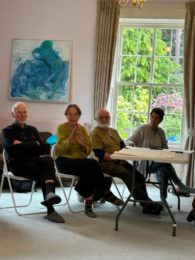 The group consensus, supported by survey results, suggests that the strategy for the next three years should concentrate on continuing what the organisation does at the moment and doing it well, rather than constantly pursuing new projects and expansion. This approach emphasises strengthening the organisation’s core competencies and maintaining the quality of its existing initiatives.
A key component of this strategy involves managing the transition as Jonathan plans to step back from his dual roles as both Chair and the primary volunteer. To ensure a smooth transition, it is crucial for Jonathan and the trustees to clearly distinguish the capacities in which he serves at any given time.
To facilitate role clarity and delegation, the board’s governance policies should clearly state to whom the board delegates management or operations.
If operational tasks are delegated to staff, detailed job descriptions should define the scope and boundaries of their roles. For subgroups taking on specific responsibilities, the board should establish clear terms of reference. These terms might outline the subgroup’s responsibilities, meeting frequency, reporting obligations, minimum volunteer numbers, and leadership roles.
When tasks are assigned to individual board members or other volunteers, the board should establish comprehensive volunteer roles and responsibilities for each type of task.
Having written guidelines that clearly separate governance from operations will aid in this transition, ensuring that everyone involved has a shared understanding of their roles and responsibilities. This structure not only supports the current needs of the FHT but also prepares the organisation for future leadership and operational changes.
Action Plan
The session attendees agreed on the following actions. The next step is to decide who is responsible for implementing each action and when it should be completed.
| TASK |
| Promote green burial – this is the main way to generate unrestricted income for the Trust |
| Terms of reference for subgroups |
| Set out as policy that core costs are funded by income and other activities are funded by grants |
| Look at the list of tasks that Jonathan does – colour code – high/medium/low priority and the number of hours it takes to do each task. What ones can be stopped, delegated to someone else or needs to be part of a paid post. Distinguish between the responsibilities that belong to the Chair and those that are operational |
| Identify what wider policies the Trust needs or already has and may require updating. |
| Secretary has indicated that she also wants to step down – consider how this might be made possible including timescales. |
| Put energy into the group – do more things together |
| Look further afield for volunteers |
Karen Maclean-Yuille
Consultant
Impact Hub, Inverness
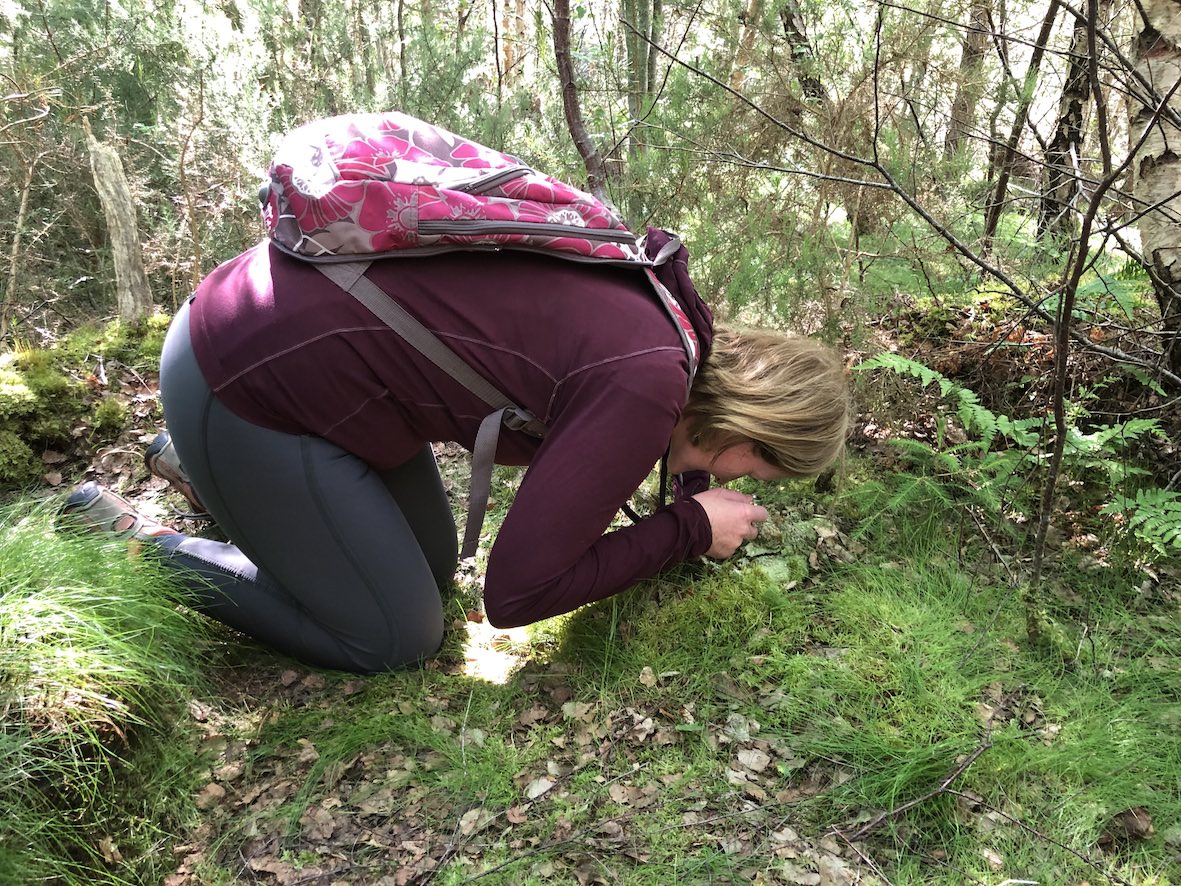
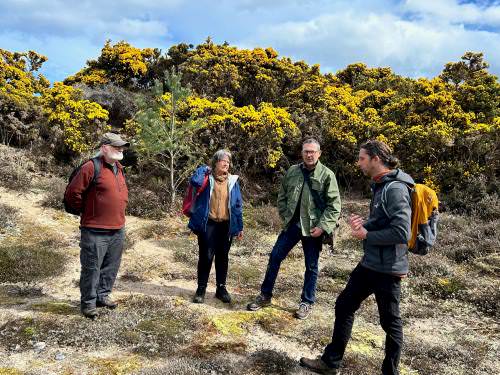
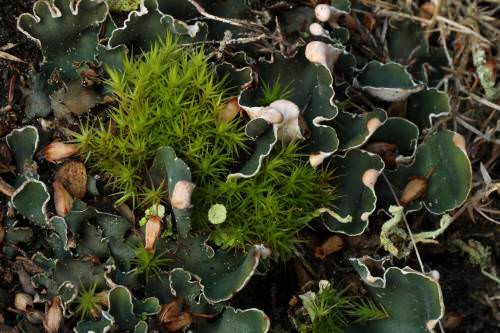
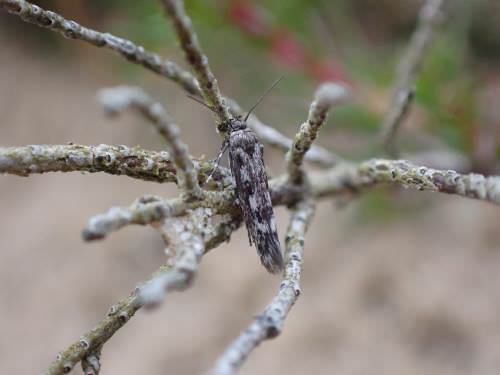
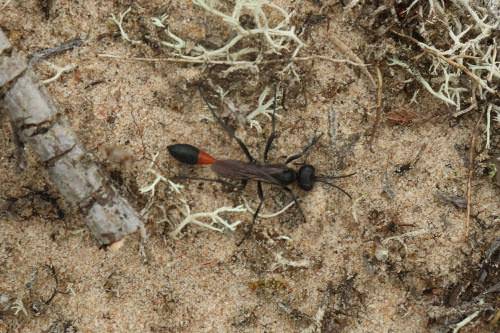
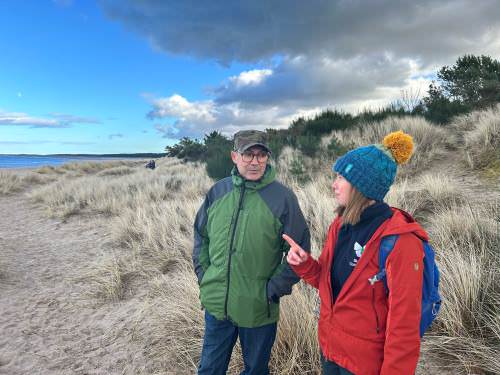
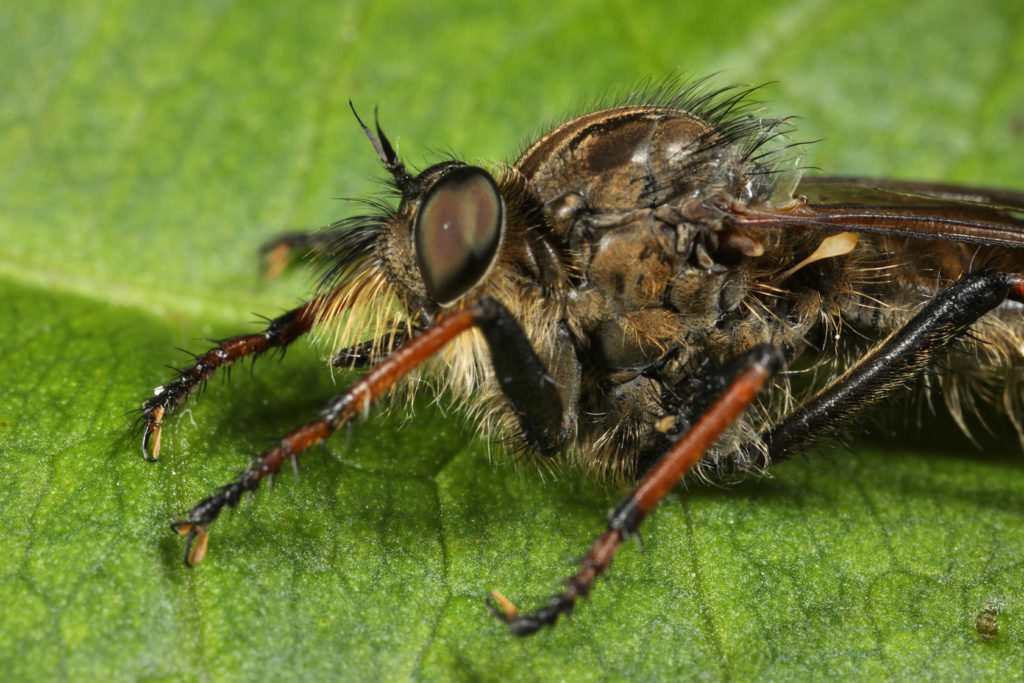
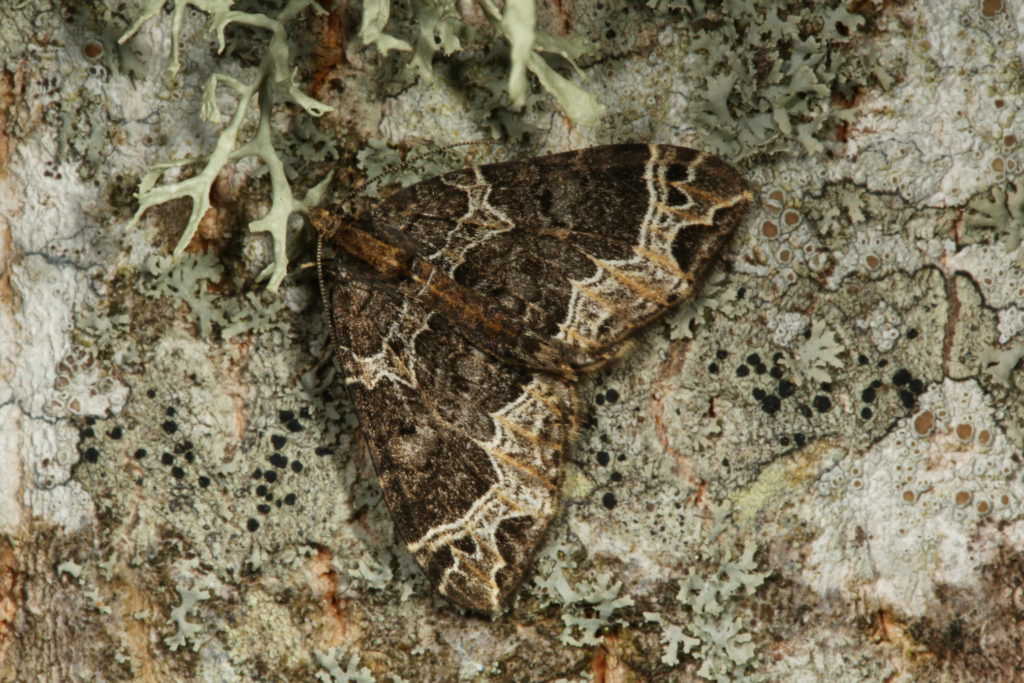
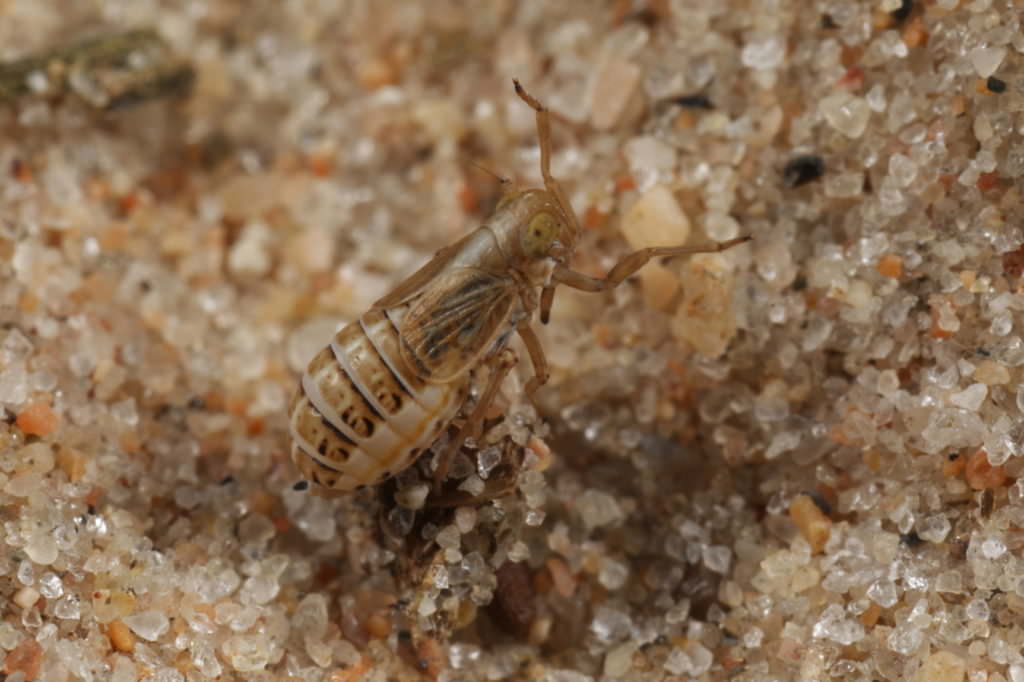
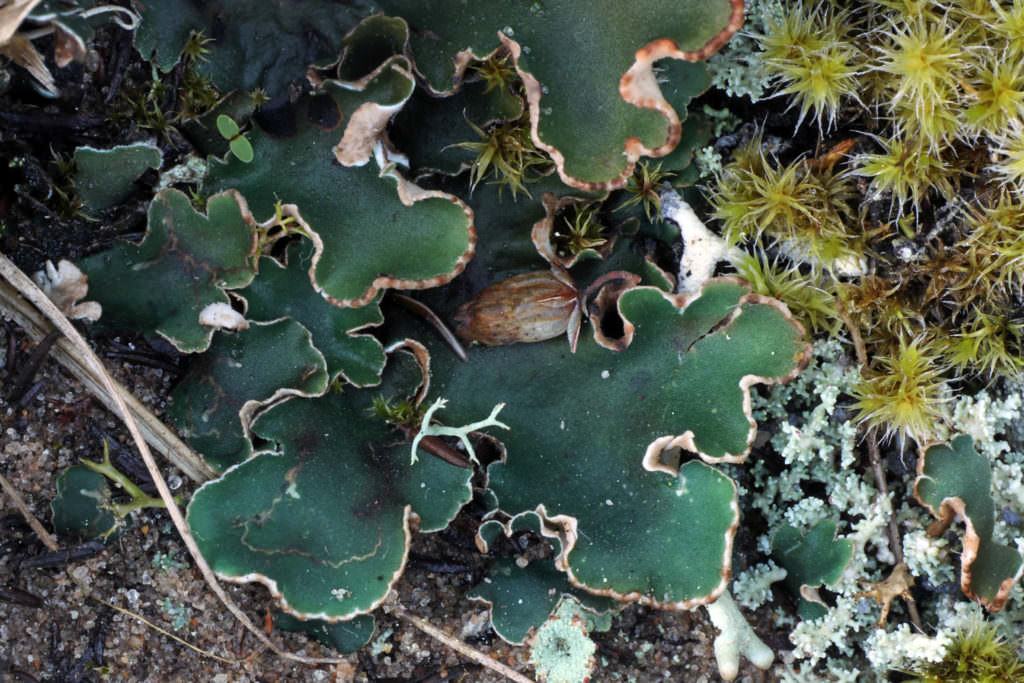
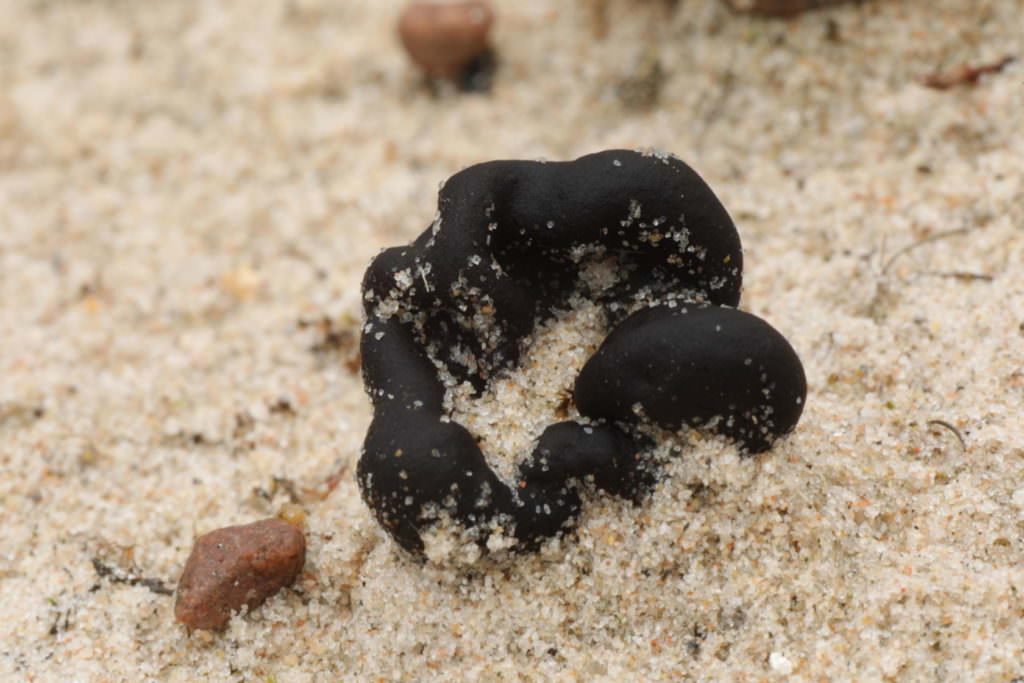
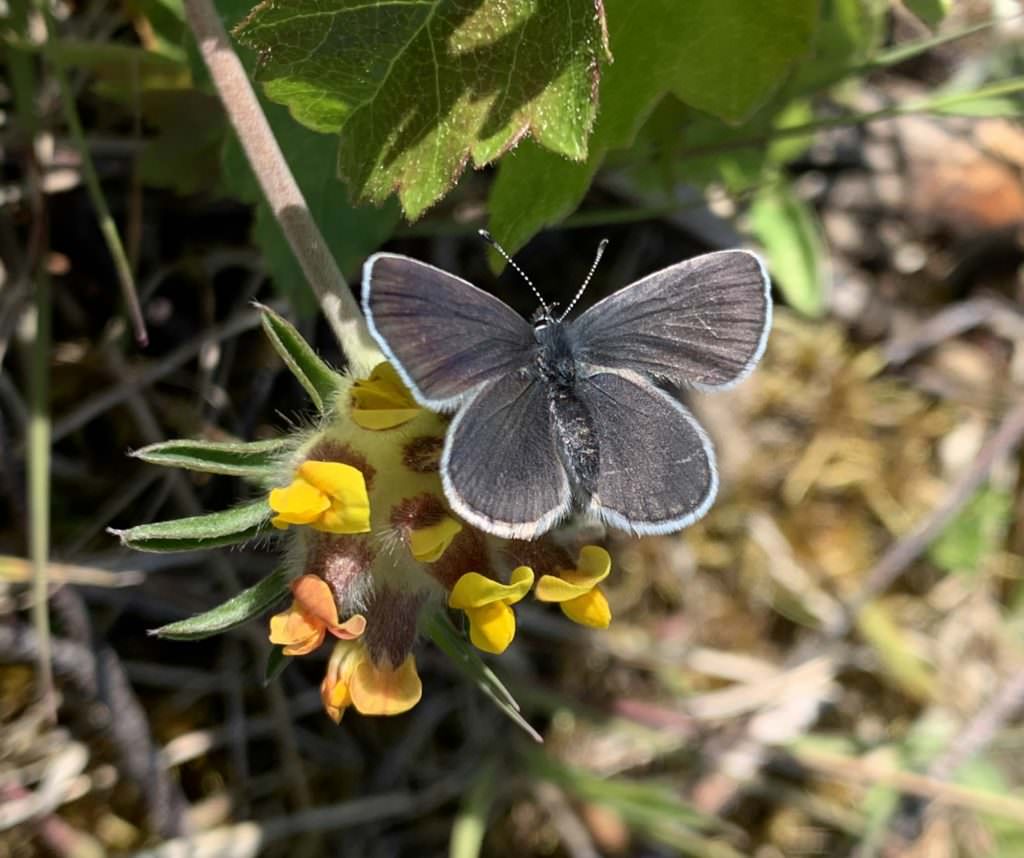
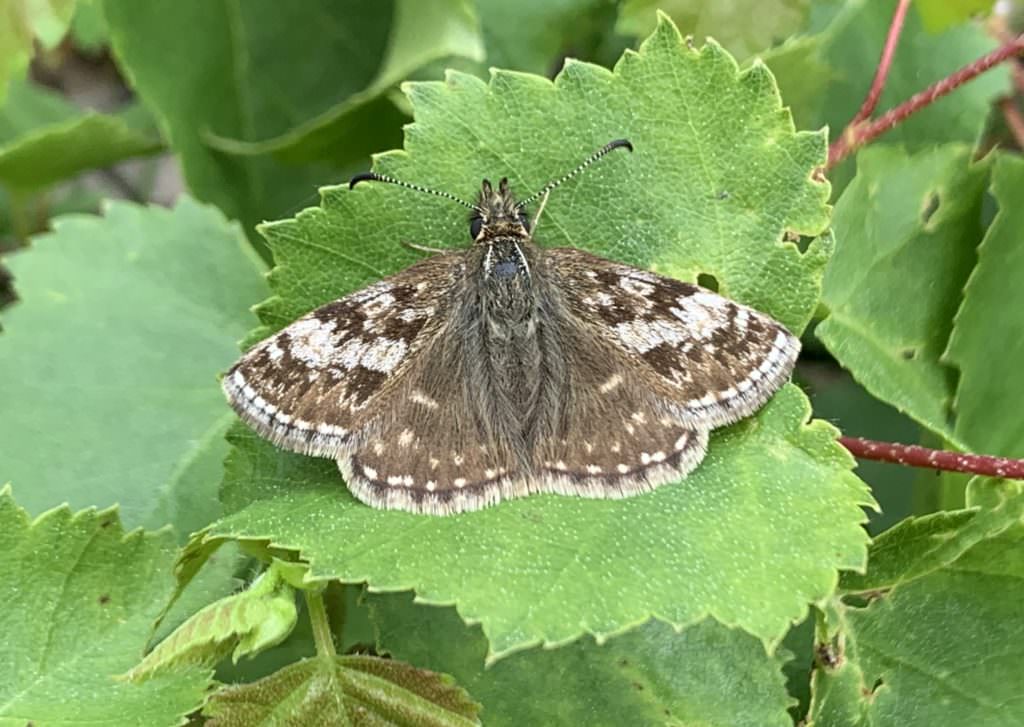
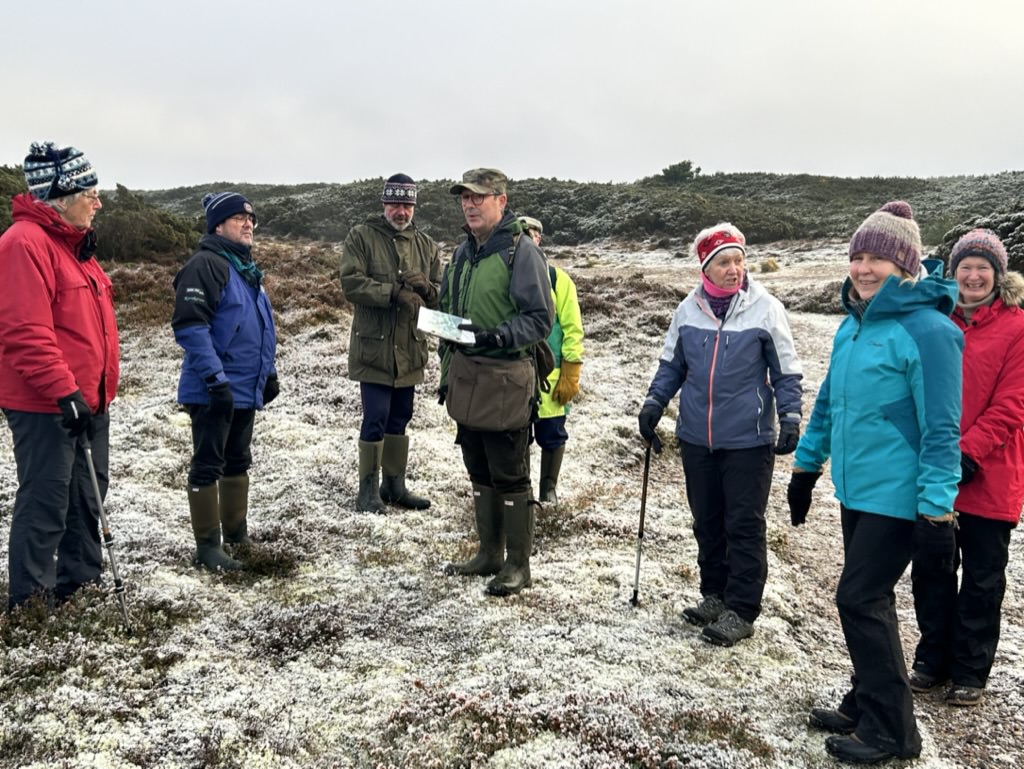
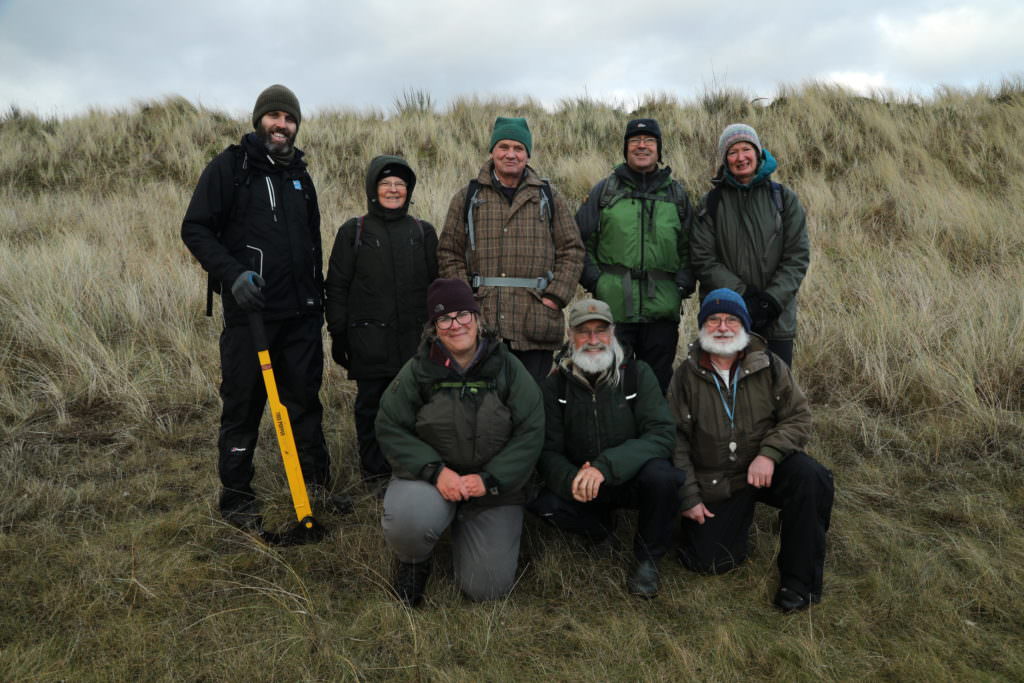
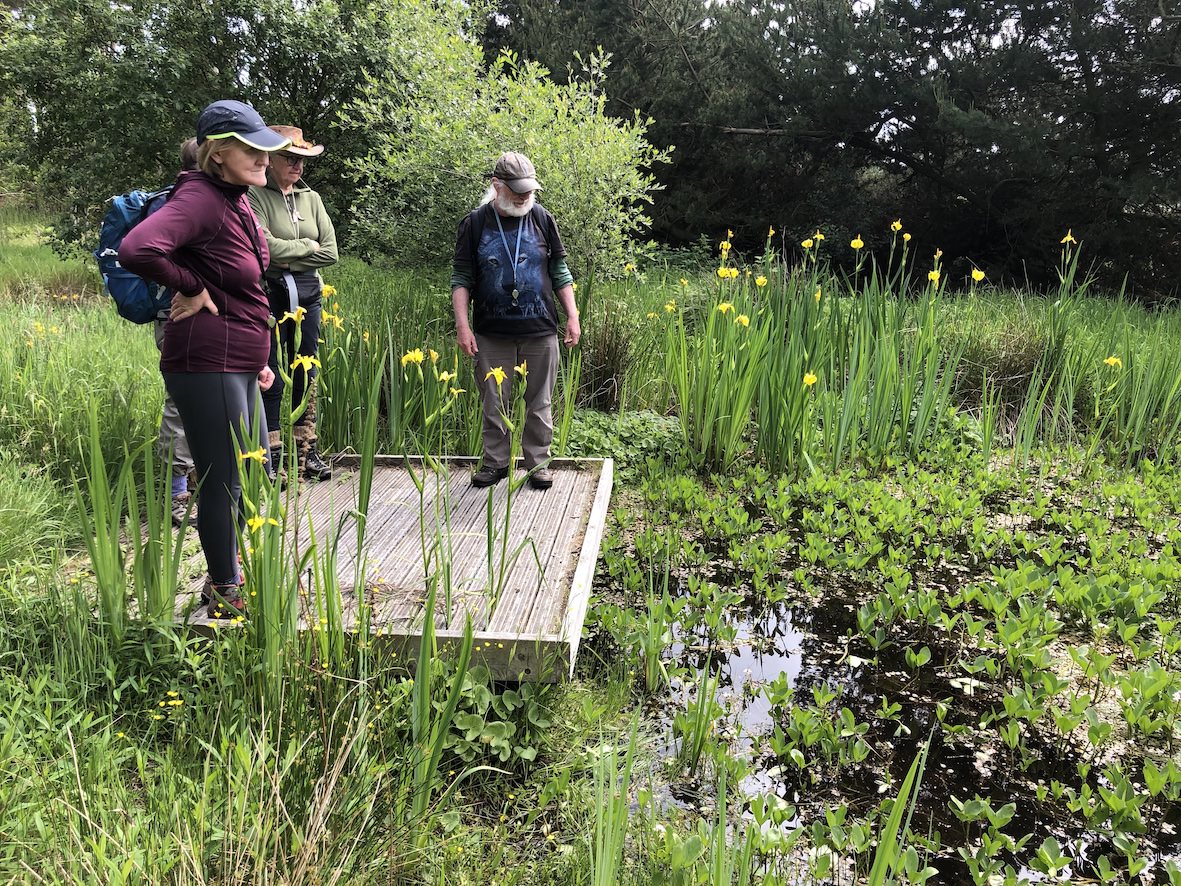 What a wonderful day that was. To be shown around the Findhorn Hinterland by Alan Watson Featherstone and Heather Paul. Two true experts in their fields of biodiversity and lichens, who for the decade and more have poured their love and passion into the land, studying the amazing array of different species of plants and animals that live here. Their particular love is for the micro worlds of invertebrates, lichens and fungi, that most of us walk past without a glance. Our day was a real treat opening us up to these hidden gems. There are literally hundreds of different species of bugs, beetles, spiders, aphids and other insects here, along with hundreds of different lichens, fungi and slime moulds that have so far been recorded here, some of which are extremely rare.
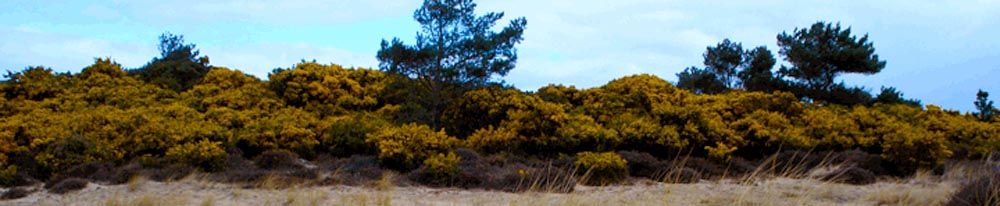
 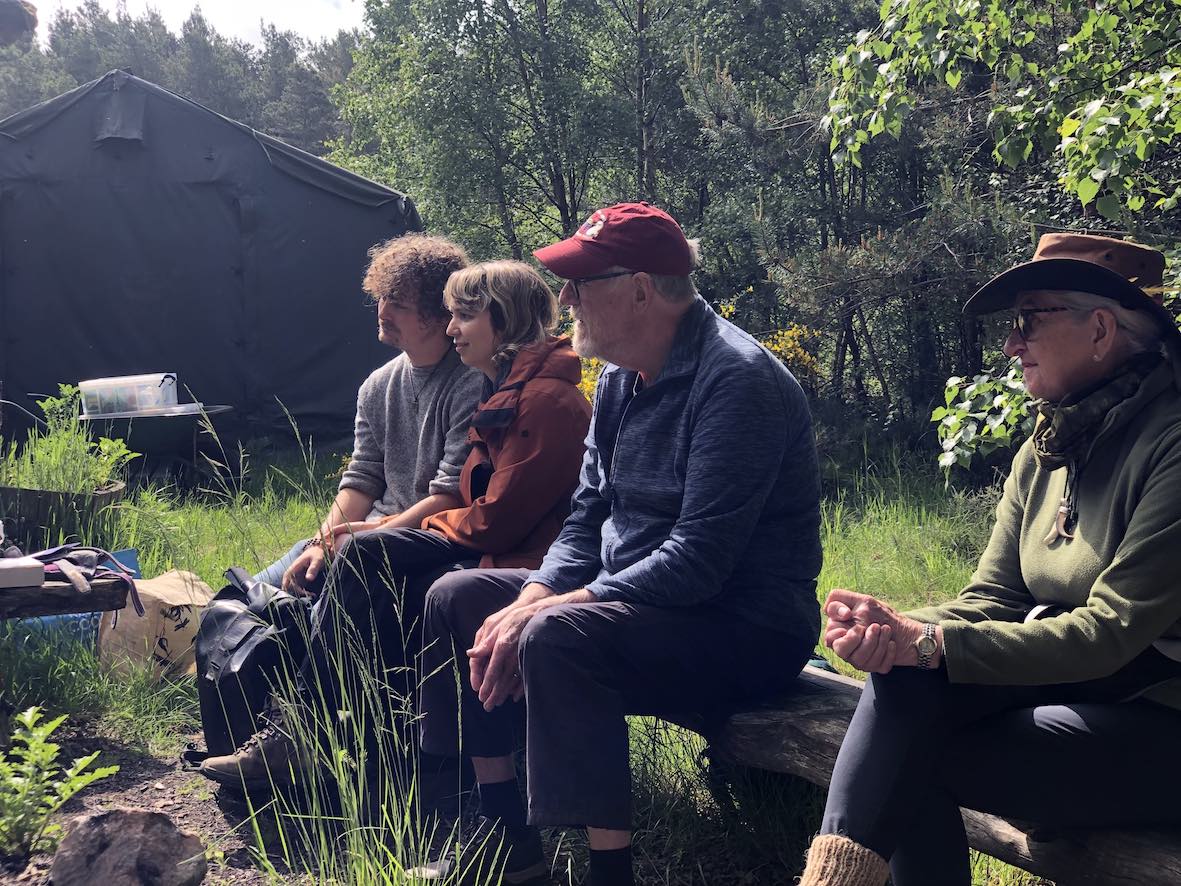 The day started off with a general discussion of the Hinterland Trust’s work and aims in maintaining and enhancing the existing four main habitats that are found here – woodland, species rich grassland, heathland and dune scrub. Each area has very distinct and different species associated with it. We were given a small hand lens with a x10 magnification, needed to open us up to the “Alice in Wonderland” world of the micro. Splitting us up into two small groups we went off on our adventure into this new world, one half going with Alan and the other with Heather. This allowed an intimacy where we could really study in detail the features that were being pointed out.
 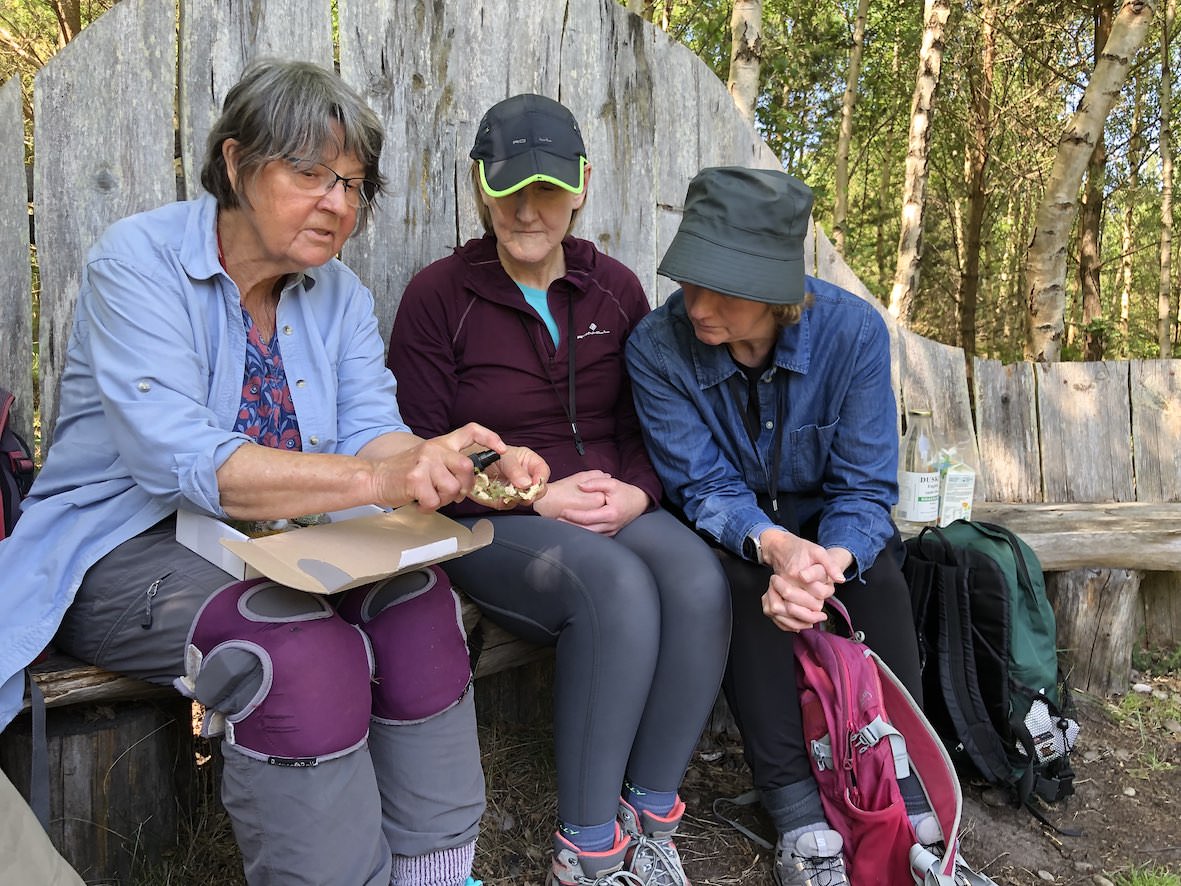 Alan took us for a journey through the trees, showing how small pockets of the original pine plantation have been opened up and new native broadleaves introduced. These greatly enhance the variety of creatures that now live here, pointing out shield bugs, and spiders living in the leaves, along with the leaf miners living in the leaves. Picking an old pine cone from a tree, Alan tapped it into his palm to show us the pine seeds. But instead of seeds falling out, spiders, mites and aphids appeared, showing how a cone was a complete habitat in its own right.
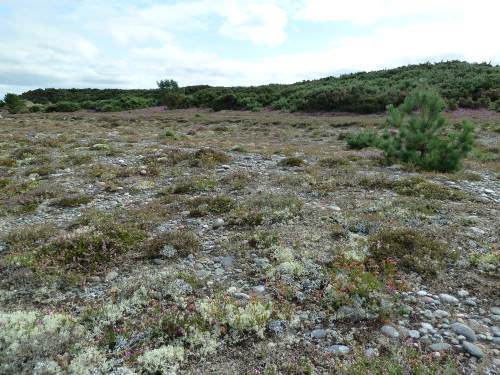
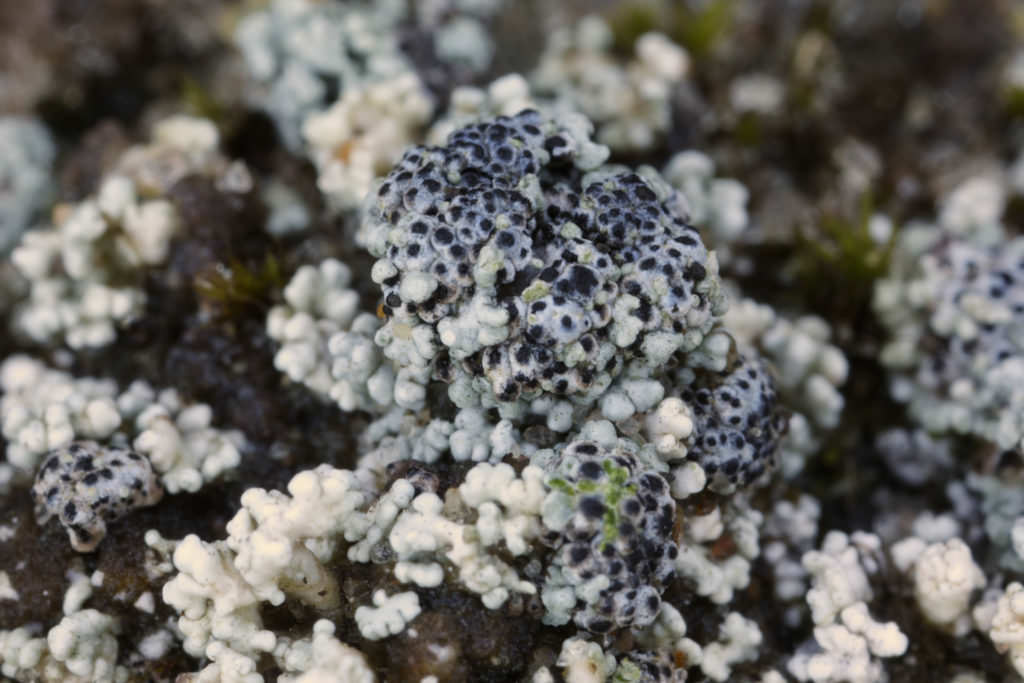
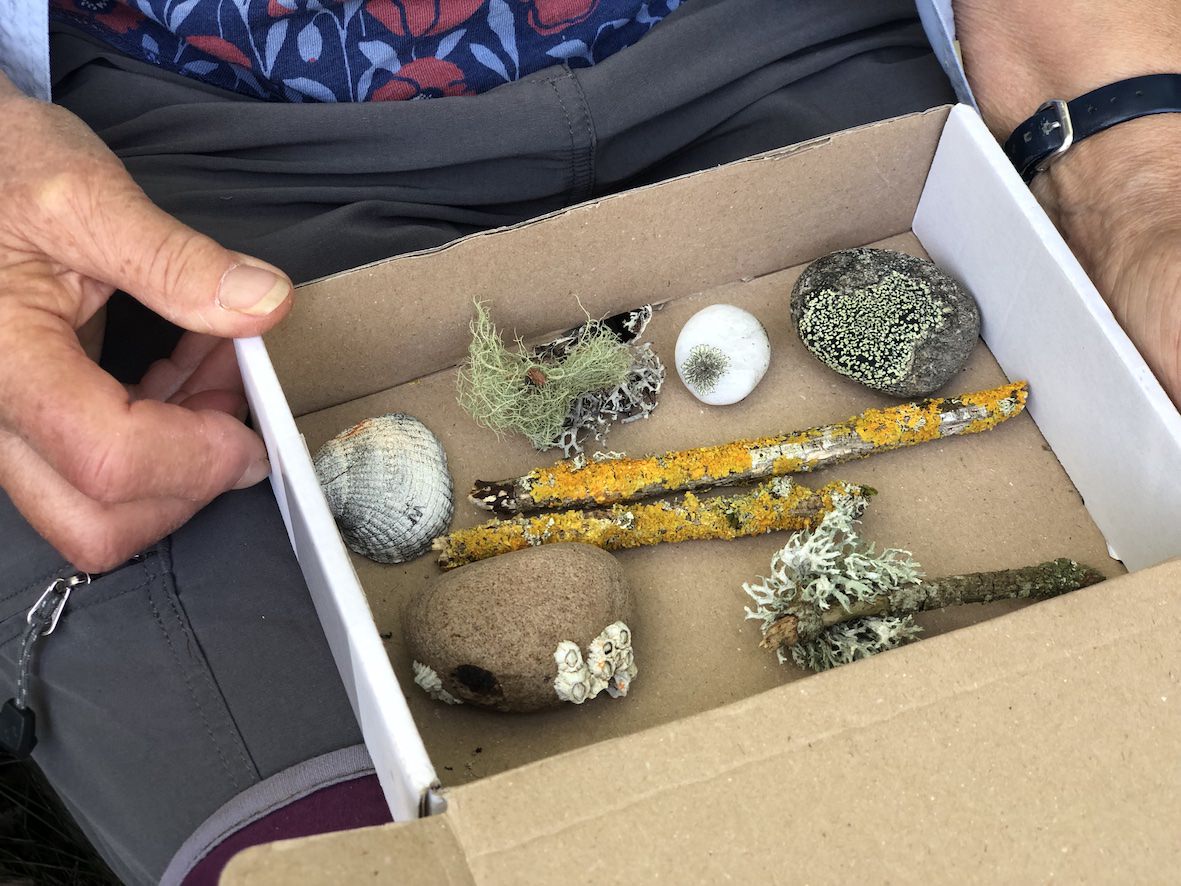 Then it was Heather’s turn to enrapture us, as we peered into the world of lichens. What amazing patterns and colours leapt out at us as we studied a pebble or piece of bark through our hand lens. She shared how some of the species, particularly those on the sand and heathland here are extremely rare. One of the main aims of the Hinterland Trust is to try and support these species, and the only way to do that is by removing trees and gorse that are rapidly moving into the dune area. Removing trees can seem at odds with nature conservation, but in this case it is vitally necessary if the overall biodiversity is to be maintained.
  So we returned to base with big smiles on our faces, nurtured by a glorious day of sunshine, knowledge, beauty and friendship, and now looking forward to each buying our own hand lens, so we can continue to explore this magical world that is literally under our feet and all around us.










News from the Land – Spring Early Summer 2024
It’s a damp day out there – so perfect for spending some time writing for our Newsletter…
The transformation out there at this time of the year always blows me away.
From the barrenness of winter to this lush abundance of fresh green leaves, flowers, blossoms and new shoots on trees… During the last dry days there were clouds of yellow pollen from the pines wafting through the woods, and the ocean of the bright yellow blossoms of the gorse between here and the sea smelled deliciously of coconut !
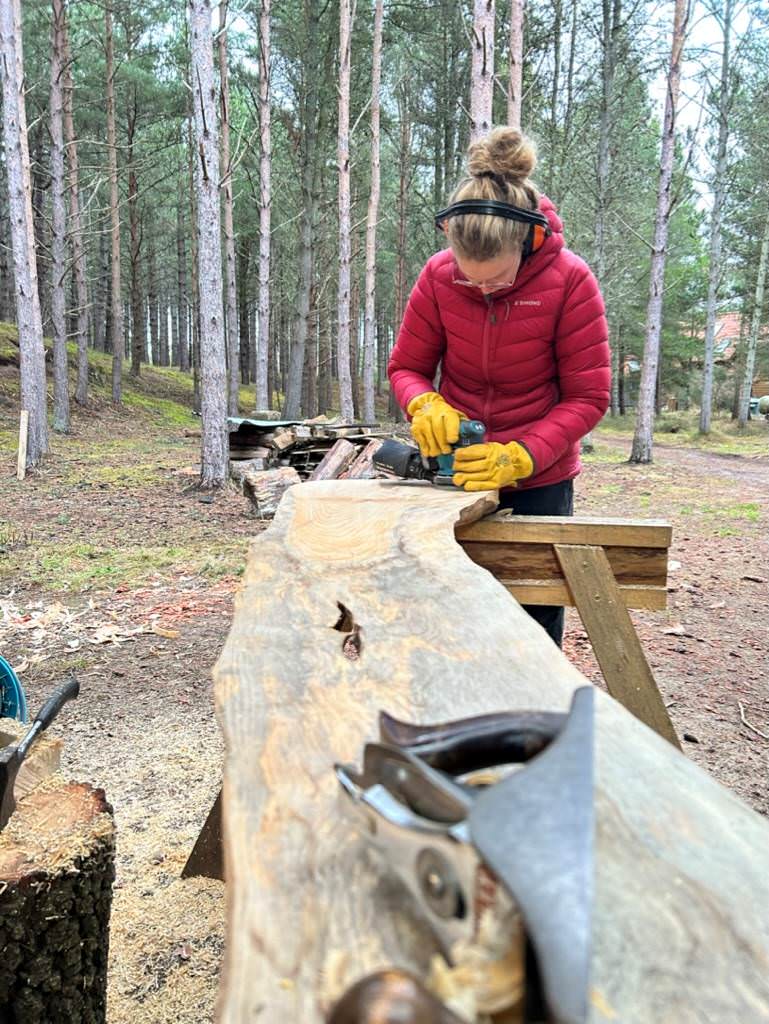
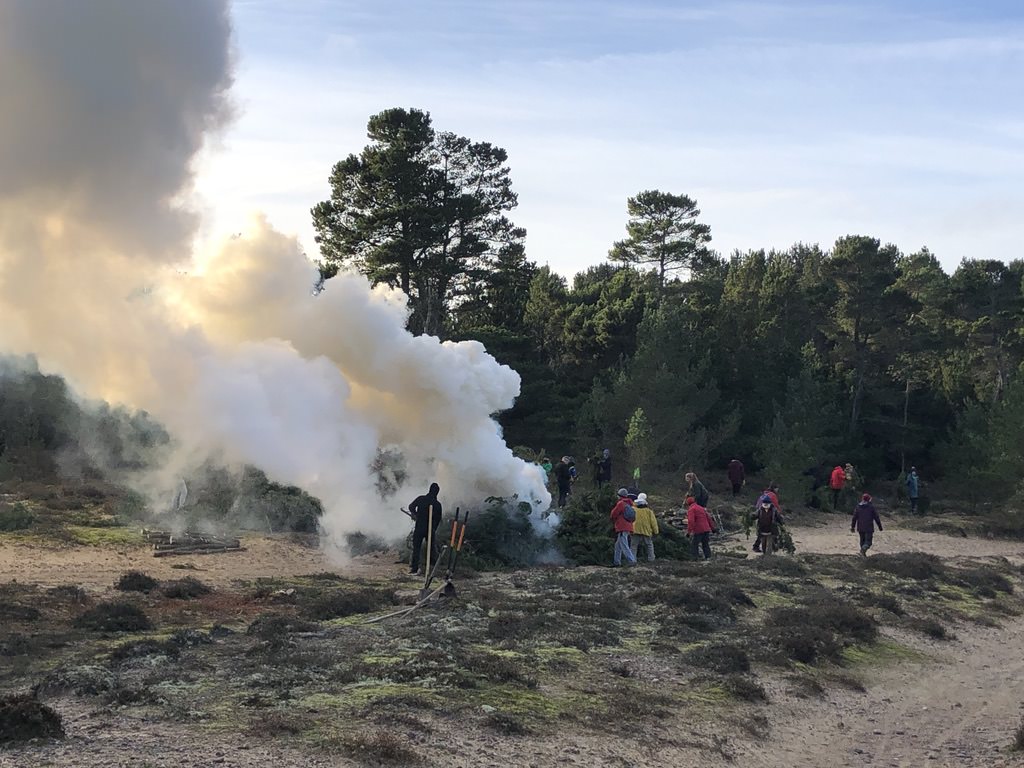
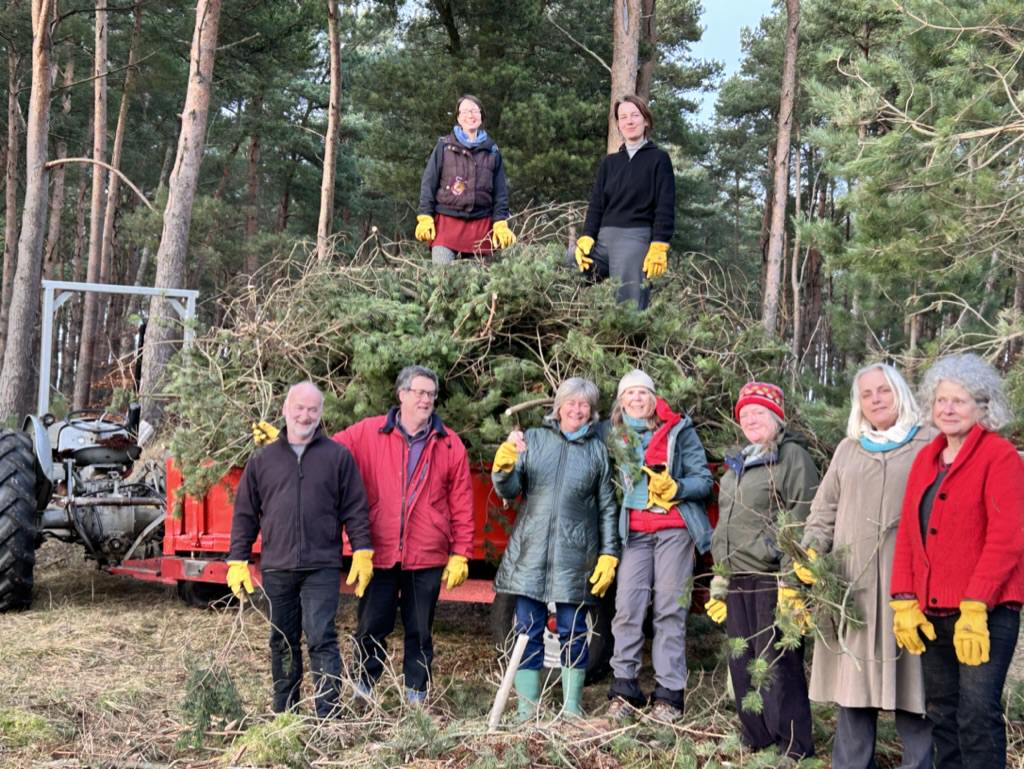
And we’ve got to enjoy that every day as we’ve been busy these last weeks with hand-cutting gorse…loppers and hand saws and the noisy brush- cutter… cutting back the regrowth of gorse back on firebreaks, on the heathlands and the grasslands in our care. The all important maintenance of precious habitats. And – we also did little improvements on each of those areas (extending them a bit, where it made sense). Prickly issues… we got scratched & prickled plenty as we worked in shorts and sleeveless T-shirts.
Of course we also did other things these last weeks & months. The mixture of sunshine and rain is perfect growing weather and our baby trees are all of the sudden sticking their heads out of their little spiral tubes. We need to beat the deer to get to them and put them into taller tubes to put the tips out of reach of our four legged friends. We staked and tubed around 150 trees !
So – how are we protecting the fragile, delicate and vulnerable things in our lives ? Within ourselves, and within our communities and societies ?
We are part of nature, and our inner nature and nature around us are deeply interconnected. As we become increasingly conscious of this connection, it is easy to turn our work into authentic ‘worship’ – sacred rituals honoring all life.
“Buddha nature’ some would say…
Enlightened nature…
Or to quote Eileen Caddy – ‘The Christ within’…
And finally an extract from a well known poem by Thich Nhat Hanh :
“…Look deeply: I arrive in every second
to be a bud on a spring branch,
to be a tiny bird, with wings still fragile, learning to sing in my new nest,
to be a caterpillar in the heart of a flower,
to be a jewel hiding itself in a stone…
so i can wake up,
and the door of my heart can be left open,
the door of compassion.”
T.N.H
Kajedo Wanderer
Land Manager of the FHT